The Ultimate Guide to Finding Quality Used Auto Parts
A technical roadmap for vehicle owners and technicians to evaluate, verify, and source reliable recycled automotive components.
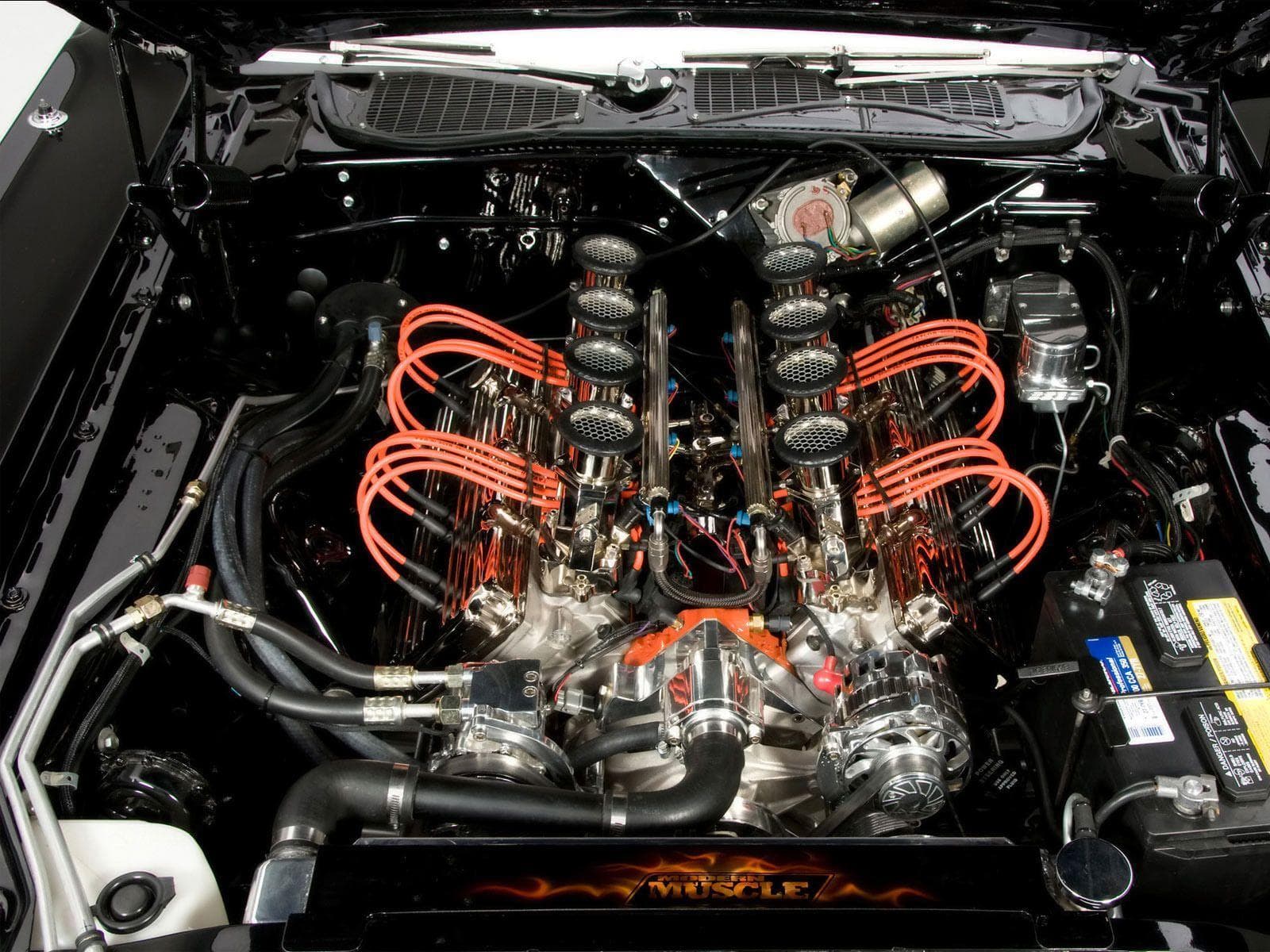
Thorough pre-purchase inspection and VIN verification ensure used mechanical components deliver factory-level reliability.
Direct Takeaway & Quick Answer
Finding quality used auto parts requires three core technical verifications: decoding your 17-digit VIN (specifically the 8th digit engine code and 10th digit model year), cross-referencing compatibility via the Hollander Interchange system, and conducting forensic mechanical inspections (compression testing, borescope cylinder wall checks, and transmission fluid pan evaluations) before installation.
- The average age of vehicles on U.S. roads has climbed past 12.6 years, making recycled OEM components vital for affordable maintenance.
- Understanding replacement taxonomy (OE vs. Recycled OEM vs. Aftermarket vs. Remanufactured) prevents overpaying or buying ill-fitting parts.
- The 5-digit Hollander Interchange Number identifies cross-platform compatibility across shared corporate chassis and production years.
- Always follow a pre-installation checklist (replacing gaskets, front/rear main seals, and fluids) to protect your warranty coverage.
Table of Contents
With more than 289 million light vehicles registered in the United States and the average vehicle age climbing beyond 12.6 years, keeping daily drivers and commercial workhorses on the road has become an economic priority for millions of Americans.
When a major powertrain component fails—such as a blown head gasket warping an engine block or a slipping planetary gearset destroying an automatic transmission—dealership replacement quotes frequently exceed the fair market value of the entire vehicle. Meanwhile, cheap aftermarket alternatives often bring poor dimensional casting tolerances, questionable metallurgy, and premature failure.
Recycled Original Equipment (ROE) parts harvested from low-mileage donor vehicles solve this dilemma. By procuring an authentic used OEM component, you retain the engineering precision, crash test certification, and acoustic damping engineered into the vehicle at the factory—all at 50% to 75% savings. This master guide delivers the forensic knowledge needed to locate, verify, and inspect quality used auto parts with complete certainty.
Taxonomy of Automotive Replacement Parts
OE vs. OEM vs. Aftermarket vs. Remanufactured vs. Rebuilt
Consumer confusion often stems from interchangeable terminology used loosely across marketing listings. To make an informed financial decision, buyers must understand the exact origin and manufacturing standards of each tier.
| Classification | Manufacturing Origin | Quality & Fitment Guarantee | Cost Comparison | Typical Warranty |
|---|---|---|---|---|
| Original Equipment (OE / Genuine) | Automaker factory or Tier-1 supplier; sold via dealership | Exact factory tolerances, metallurgy, and finish | Highest price premium (100% baseline) | 12 to 24 months dealer warranty |
| Recycled OEM (Used) | Harvested from verified donor vehicles by licensed recyclers | Identical to factory OE; original metallurgy and fitment | 50% to 80% below new dealership list | 30 to 180 days (6 months) |
| Aftermarket (Tier-3) | Third-party independent manufacturer; reverse engineered | Variable; potential bolt alignment and sensor variances | 20% to 60% below new OEM | 90 days to 1 year limited |
| Remanufactured (Reman) | Industrial facility; completely disassembled, machined to OE specs | Meets or exceeds original OEM performance benchmarks | 25% to 45% below new OEM | 1 to 3 years commercial warranty |
| Rebuilt | Local rebuilder or garage; disassembled to point of failure | Functional; dependent on technician skill and replaced parts | 35% to 60% below new OEM | 30 to 90 days local warranty |
Why Recycled OEM Outperforms Cheap Aftermarket
Automakers invest billions in tooling, metallurgy, and robotic welding. A recycled OEM bumper reinforcement beam or steering knuckle retains genuine high-strength steel (HSS) or cast aluminum alloys, whereas cheap aftermarket equivalents frequently substitute lower-grade tensile metals to cut costs.
Decoding Your 17-Digit VIN for Exact Fitment
Mastering the 8th Digit Engine Code and 10th Digit Model Year
Automobile manufacturers frequently execute "running production changes" midway through a vehicle model year. A 2018 vehicle manufactured in September 2017 may have a different wiring harness pinout, alternator amperage, or variable valve timing solenoid than the same model built in May 2018.
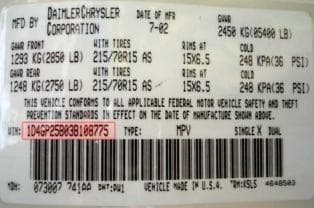
Never order major automotive components based on year, make, and model alone. Always locate your 17-digit VIN on the driver-side lower windshield corner or driver door jamb label and decode the critical identifiers.
- Positions 1–3 (World Manufacturer Identifier - WMI): Indicates country of origin and corporate parent (e.g. 1GC = Chevrolet USA truck, 2T1 = Toyota Canada passenger car, WBA = BMW Germany).
- Positions 4–8 (Vehicle Descriptor Section - VDS): Defines vehicle chassis type, body style, brake system, and safety restraint tier.
- Position 8 (Engine Code - CRITICAL): The single most vital digit when buying engines, cylinder heads, intake manifolds, or fuel rails. For example, in a GM truck, an 8th digit of "C" identifies the 5.3L L83 EcoTec3, while an 8th digit of "J" identifies the 6.2L L86 V8.
- Position 9 (Check Digit): A mathematical validation formula required by DOT to verify VIN authenticity.
- Position 10 (Model Year - CRITICAL): Identifies the exact model year under standardized alphanumeric coding (e.g., G=2016, H=2017, J=2018, K=2019, L=2020, M=2021, N=2022, P=2023, R=2024, S=2025).
- Position 11 (Assembly Plant): Designates the specific manufacturing facility, which occasionally dictates wiring supplier harnesses or brake rotor diameters.
- Positions 12–17 (Sequential Production Serial): Pinpoints the vehicle within the manufacturer's production run, essential when addressing Technical Service Bulletins (TSBs).
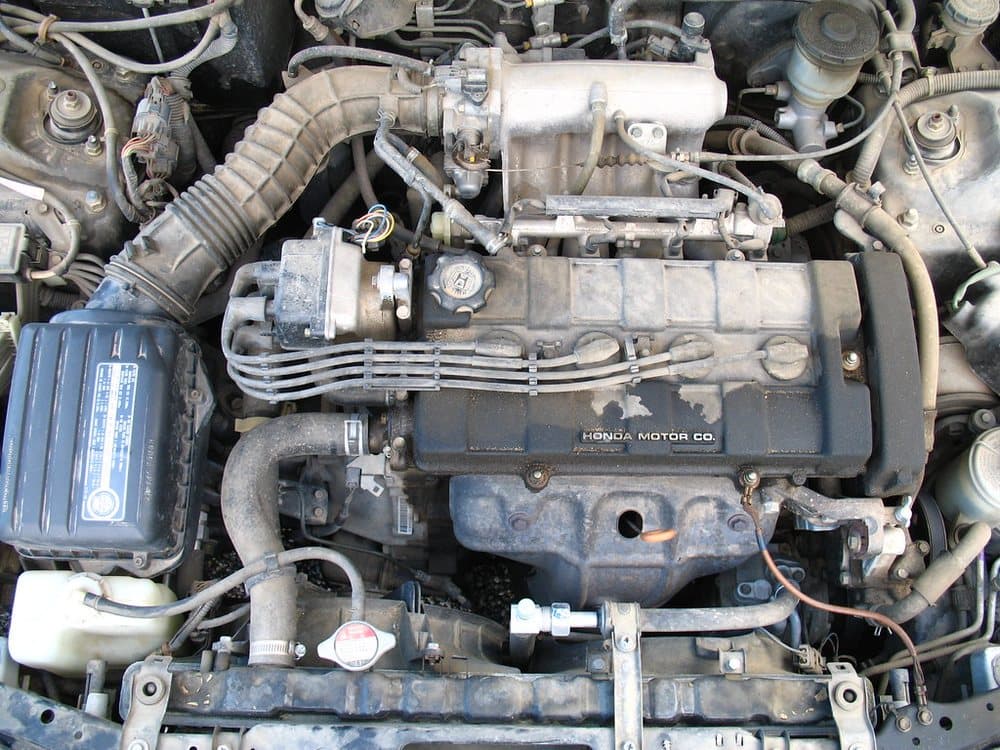
The Power of the Hollander Interchange System
How a 1934 Invention Unlocks Cross-Vehicle Compatibility
In 1934, Roy Hollander recognized that automobile manufacturers routinely shared components across models to lower manufacturing costs. He created the Hollander Interchange manual, which has evolved into the central database powering modern automotive recycling software.
Because of platform sharing, the part you need for your vehicle may be identical to a part installed in a completely different brand under the same corporate umbrella.
- 1Shared Platform Powertrains: General Motors shares 5.3L V8 engines, 6L80 transmissions, and transfer cases across the Chevrolet Silverado, GMC Sierra, Chevrolet Tahoe, GMC Yukon, and Cadillac Escalade. A Hollander interchange search immediately identifies donor inventory from all five models.
- 2Cross-Brand Component Sharing: Ford shares 3.5L EcoBoost and 5.0L Coyote powertrains between the F-150 and Lincoln Navigator; Stellantis shares 5.7L HEMI V8s across Ram 1500, Dodge Durango, and Jeep Grand Cherokee; Toyota shares 3.5L 2GR-FE V6 engines between the Camry, Highlander, RAV4, and Lexus RX350.
- 3Year-to-Year Interchange Spans: Hollander numbers reveal multi-year spans where components remained dimensionally unchanged. For instance, an alternator with Hollander #601-01825 may span model years 2014 through 2021 without modification.
- 4Supersession Tracking: When an automaker redesigns a known failure point (such as an updated timing chain guide or reinforced transmission sun gear), Hollander tracks forward and backward compatibility so you receive the updated engineering revision.
Hollander Prefix Categories
Hollander interchange numbers use standardized functional prefixes: the 300-series designates engine assemblies (e.g. 300-08912), the 400-series designates transmissions (e.g. 400-02341), the 100-series covers front body panels, and the 500-series covers rear drive axles and differentials.
How to Inspect Used Engines and Transmissions Before Buying
Compression Testing, Leakdown Checks, and Borescope Diagnostics
Reputable recyclers test components prior to shipping. However, a prudent vehicle owner or technician should always perform verification checks upon delivery before bolting the assembly into the chassis.
- Compression Testing: A mechanical gauge screwed into each spark plug or injector hole measures cylinder pressure as the starter cranks. Healthy gasoline engines produce between 150 and 190 PSI. Critically, no individual cylinder should vary by more than 10% to 15% from the highest cylinder.
- Cylinder Leakdown Testing: Regulated compressed air (100 PSI) is fed into each cylinder at top dead center (TDC). A dual-gauge setup measures the percentage of escaping air. Leakage under 10% indicates excellent valve seats and ring sealing. Air hissing through the throttle body reveals a leaking intake valve; air from the exhaust pipe indicates a burnt exhaust valve; air bubbles in the radiator neck indicate a blown head gasket or cracked cylinder head.
- Borescope Inspection: Inserting a miniature video camera through the spark plug port allows immediate visual inspection of the cylinder bore. Look for factory cross-hatch hone marks, which confirm low bore wear. Avoid engines exhibiting deep vertical scoring (piston ring failure) or heavy carbon wash (coolant entering the chamber).
- Oil Pan Dropping: Unbolting the oil pan allows direct inspection of the sump. Wipe the bottom of the pan with a clean lint-free towel. Finding copper-colored glitter indicates rod bearing wear; finding aluminum shavings points to timing chain guide erosion.
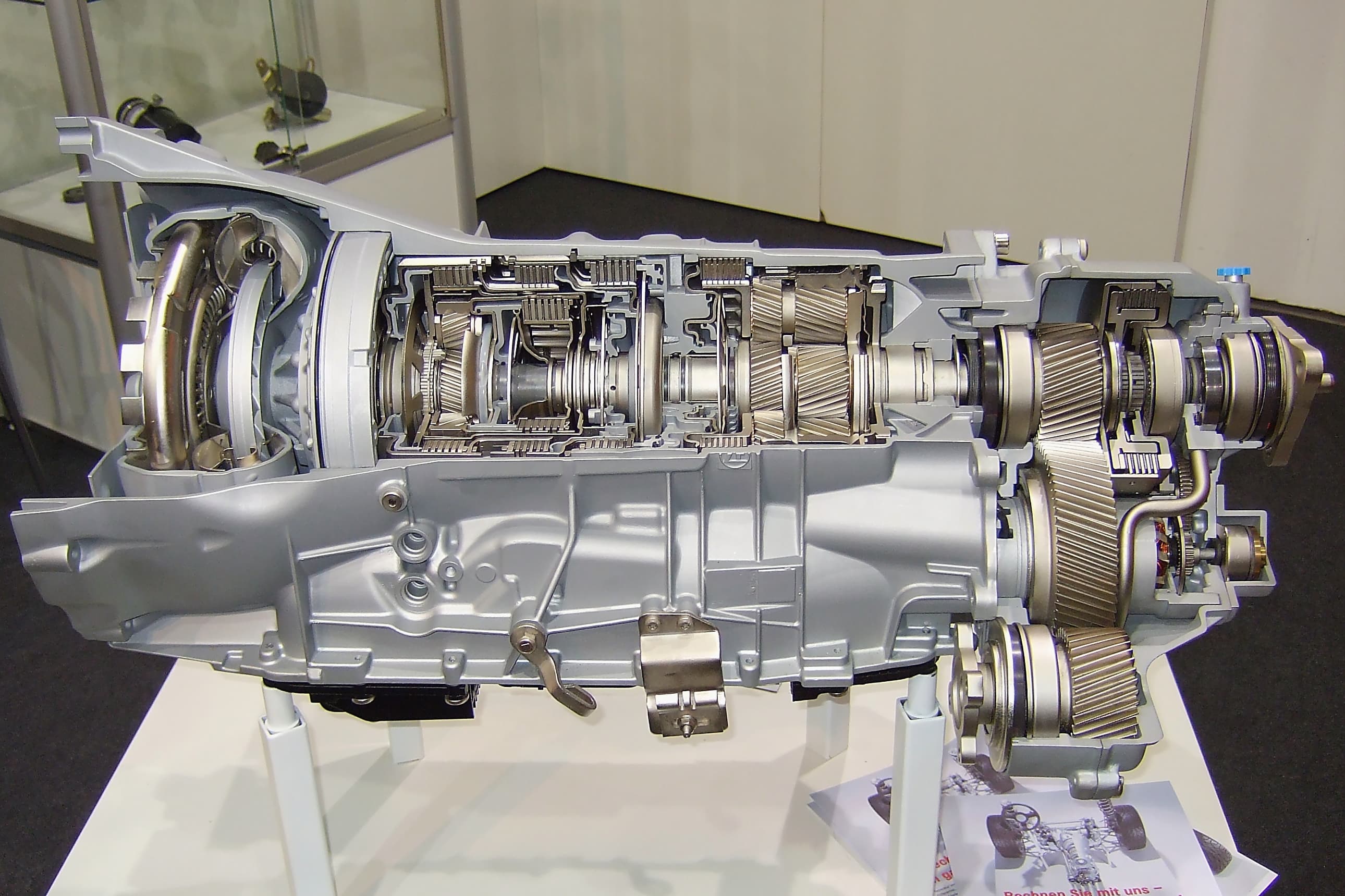
- Transmission Fluid & Torque Converter Check: On automatic transmissions, inspect the fluid color and aroma. Translucent pink or amber fluid is healthy; dark brownish fluid smelling of burnt toast indicates slipping clutch packs. Ensure the torque converter is included, undamaged, and has smooth hub splines.
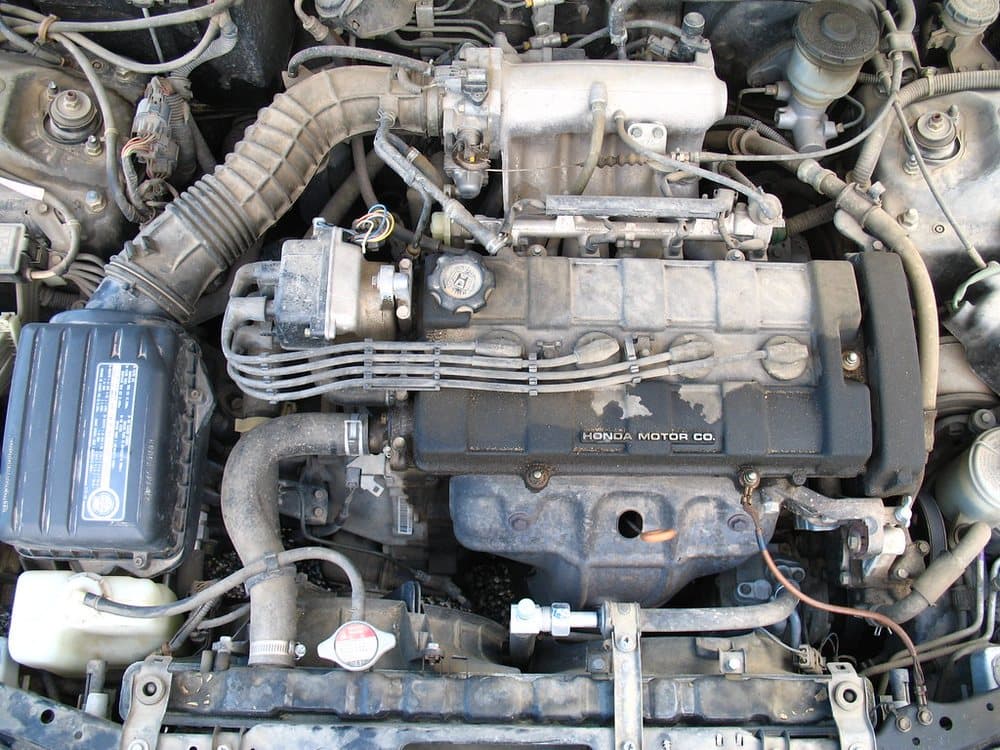
Pre-Installation Checklist to Protect Your Warranty
Critical Steps Required to Ensure Long-Term Powertrain Reliability
When you receive a recycled engine or transmission assembly, the warranty covers the "long block" (cylinder block, heads, pistons, camshafts, crankshaft) or internal transmission geartrain. It does not cover external wearable gaskets, hoses, or bolt-on electrical sensors.
Professional mechanics follow a mandatory pre-installation protocol to guarantee success and maintain warranty compliance.
- 1Replace Front and Rear Crankshaft Seals: With the engine out of the vehicle, access to the rear main seal is completely unobstructed. Spending $25 on a fresh OEM rear main seal and front timing cover seal prevents costly transmission pull-downs later.
- 2Install a New Water Pump and Thermostat: Coolant pumps and thermostats suffer seal degradation when an engine sits dry in storage. Always install a brand-new water pump and thermostat before first fire-up.
- 3Flush the Transmission Cooler and Lines: When an old transmission fails, metallic debris and clutch friction paste contaminate the vehicle's external transmission cooler inside the radiator. If you install a replacement transmission without power-flushing the cooler lines, the old metal debris will circulate directly into the replacement transmission, destroying its valve body within 50 miles.
- 4Prime the Oil and Fuel Systems: Before firing the engine, disconnect the fuel pump fuse or ignition coils and crank the starter for three 10-second intervals until oil pressure registers on the gauge. This ensures pressurized lubrication reaches all rod and main bearings.
- 5Replace Spark Plugs, Belts, and Fluids: Install fresh manufacturer-spec spark plugs, a new serpentine belt, and fresh oil and transmission fluid meeting exact factory viscosity specifications (e.g. Dexron-VI, Mercon-LV, or full synthetic 0W-20).
Warranty Requirement: Heat Indicator Tabs
Most professional salvage yards attach visual temperature melting tabs to cylinder heads. If an engine is subsequently overheated due to a clogged radiator or faulty cooling fan, the center of the tab melts, indicating thermal abuse and voiding the mechanical warranty. Always ensure your vehicle cooling system is in peak condition.
Frequently Asked Questions
How do I know if a used engine is in good condition before installing it?
Perform a cylinder compression test (ensuring all cylinders are within 10-15% of each other), a cylinder leakdown test, and a borescope inspection to verify cross-hatch hone marks on the cylinder walls. Drop the oil pan to inspect for bearing metal shavings.
What information do I need from my vehicle to order the correct used part?
You need your vehicle's full 17-digit Vehicle Identification Number (VIN), exact model year, trim package, transmission type (automatic or manual, number of speeds), and drive configuration (2WD, 4WD, or AWD).
What is the difference between a long block and a short block used engine?
A short block includes only the lower engine assembly: cylinder block, crankshaft, connecting rods, and pistons. A long block includes the short block plus cylinder heads, camshafts, and valvetrain. Recycled engines sold by salvage yards are typically complete long blocks.
Will a used transmission come with the torque converter?
Yes, full-service automotive recyclers almost always include the matched OEM torque converter with automatic transmission assemblies to protect the front pump seal and input shaft splines during transit.
What is a core charge on used auto parts?
A core charge is a refundable deposit added to major mechanical purchases (engines, transmissions, alternators, steering racks). When you return your old, broken unit to the recycler, the deposit is refunded so the core can be remanufactured.
Can a part from a different model year fit my car?
Yes, if the vehicles share the same production generation and Hollander Interchange number. For example, many Chevrolet and GMC truck powertrains interchange across model years 2014 through 2018 without modification.
What does a used auto parts warranty typically cover?
Standard salvage yard warranties cover internal lubricated components (engine block, cylinder heads, crankshaft, pistons, transmission gears). Wear items like gaskets, spark plugs, belts, and external sensors are excluded and should be replaced prior to installation.
Find the Exact Part for Your Vehicle Today
Enter your vehicle year, make, and model or connect with our parts specialists to match your VIN with verified, tested recycled OEM inventory backed by our 6-month warranty.
Relevant Parts Inventory
Tested Recycled Engines
BestsellerFind compression-tested used OEM engines with verified mileage and nationwide freight delivery.
Verified Used Transmissions
Search bench-tested automatic and manual transmissions complete with torque converters.
All Parts Search
Search our full inventory of recycled OEM steering gears, differentials, and body panels.
Commercial Part Inquiries
Connect with an automotive fitment specialist to verify Hollander interchange numbers.