Discover the Best Salvage Yard for Affordable Used Auto Parts Nationwide
An exhaustive technical guide to navigating modern auto recyclers, part grading, safety tiers, and nationwide freight shipping.
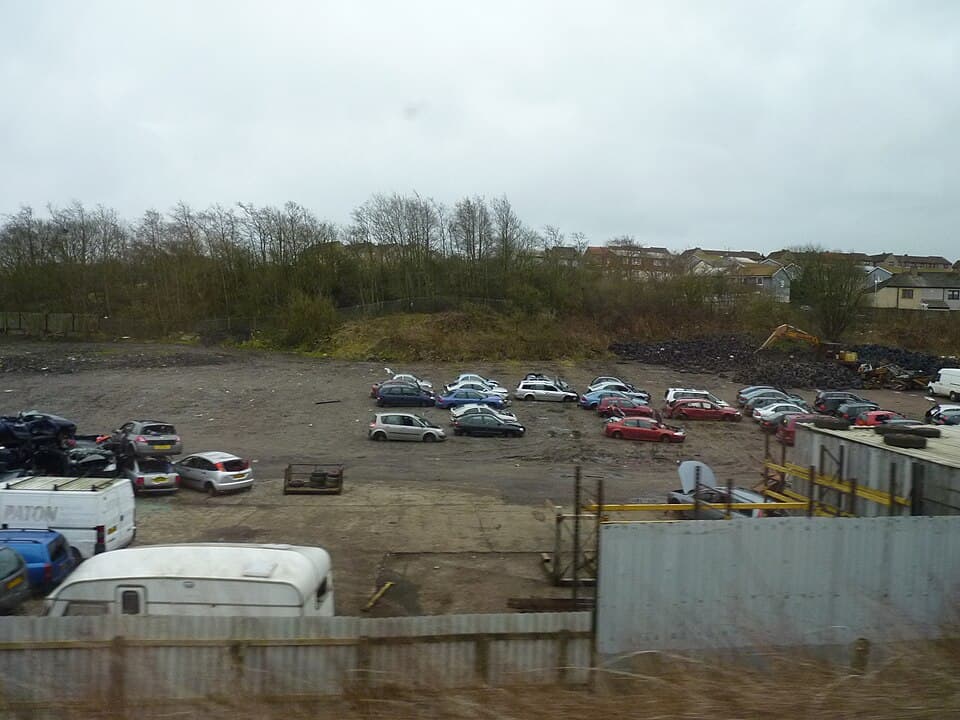
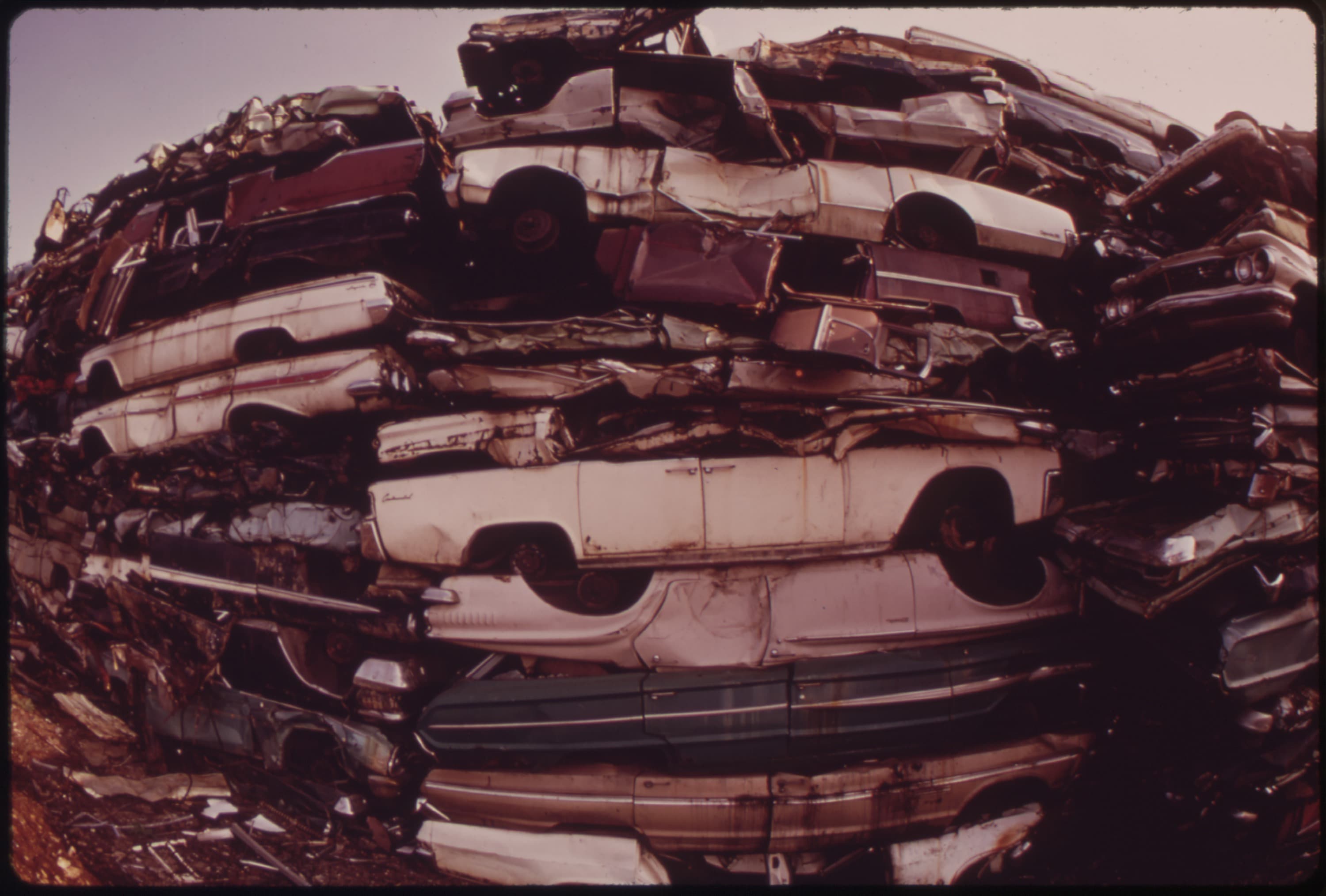
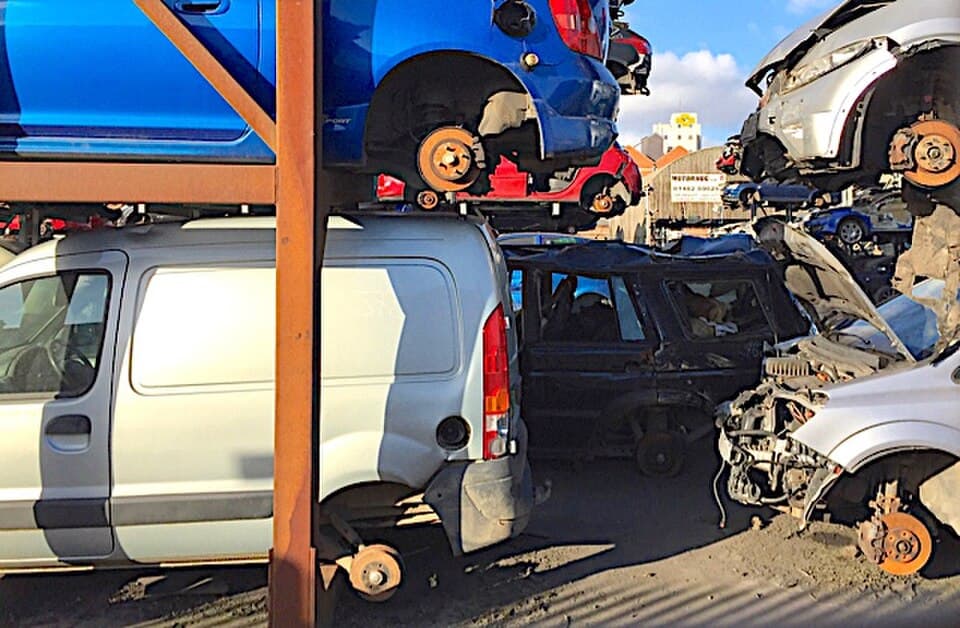
Modern automotive recycling facilities operate computer-indexed inventories and depollution bays rather than unorganized scrap heaps.
Direct Takeaway & Quick Answer
Modern professional salvage yards are computerized automotive recycling facilities that dismantle end-of-life vehicles, test functional mechanical assemblies, and grade components under strict Automotive Recyclers Association (ARA) standards. Buying recycled OEM parts from licensed yards saves 50% to 80% compared to new dealership components while preserving factory fitment.
- Four distinct yard models exist: Self-service (pick-and-pull), full-service dismantlers, specialized yards, and online inventory aggregators.
- Quality is standardized through ARA grading: Grade A (<60k miles/zero body damage), Grade B (60k-100k miles/minor flaws), and Grade C (>100k miles).
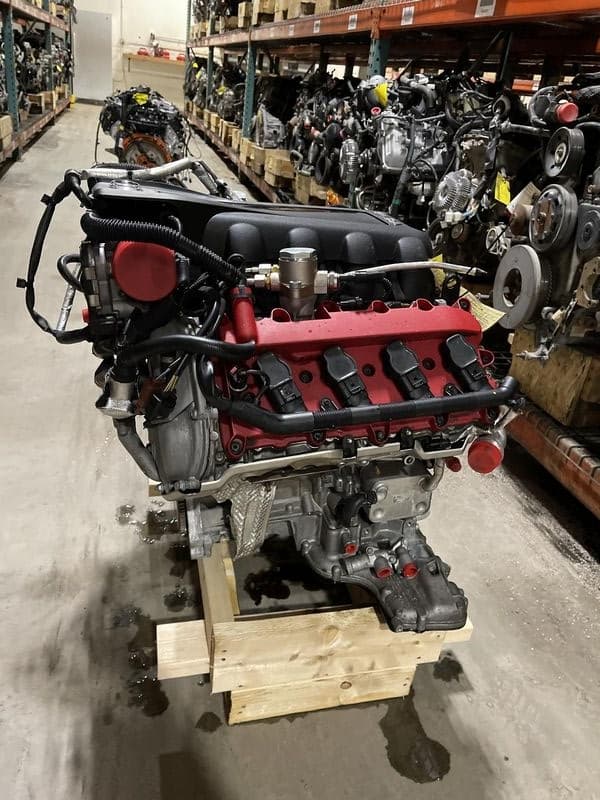
- High-value mechanical assemblies (engines, transmissions, transfer cases) are drained, compression-tested, palletized, and delivered via LTL freight with liftgate service.
- Always follow a safety-tier buying strategy: prioritize body panels, engines, and gearboxes; verify electronic module programming requirements; and avoid wear items like brake pads or deployed airbags.
Table of Contents
- 1.How Modern Salvage Yards Are Classified
- 2.The Lifecycle of an End-of-Life Vehicle in a Professional Yard
- 3.How Salvage Yards Grade and Inspect Used Auto Parts
- 4.Safety-Tier Purchasing Strategy: What to Buy vs. What to Avoid
- 5.How Heavy Auto Parts Are Shipped Nationwide
- 6.How to Spot and Avoid Online Salvage Yard Scams
- #Frequently Asked Questions
The contemporary automotive salvage industry bears little resemblance to the stereotypical "junkyard" of the mid-twentieth century. Today, auto recycling is an organized, high-technology industrial sector processing between 12 and 15 million end-of-life vehicles (ELVs) annually across North America.
For vehicle owners facing engine failure, transmission slip, or collision damage, professional auto recyclers offer an economic lifeline. Original equipment manufacturer (OEM) replacement parts purchased from dealerships carry heavy markups, while cheap generic aftermarket parts frequently exhibit dimensional inaccuracies and poor metallurgy. Recycled OEM parts from reputable salvage yards bridge this divide, delivering genuine factory tolerances and durability at 50% to 80% below list price.
However, successfully navigating the salvage marketplace requires understanding how yards are organized, how components are tested and graded, how freight logistics operate, and which parts should never be purchased used. This comprehensive guide details the operational mechanics of the automotive recycling ecosystem to help you buy with absolute confidence.
How Modern Salvage Yards Are Classified
Understanding Self-Service, Full-Service, and Digital Aggregators
Before contacting a salvage yard, buyers must understand the operational structure of the facility. The pricing, warranty coverage, and customer experience differ dramatically depending on which type of facility you engage.
Self-service yards charge a nominal gate fee ($2 to $5) and require buyers to bring their own tools, safety gear, and extraction equipment. While prices are fixed and rock-bottom, no labor assistance or functional powertrain testing is provided. Conversely, full-service recyclers employ trained technicians who dismantle vehicles, inspect and clean components, catalog part numbers into standardized databases, and back items with 30-day to 6-month warranties.
| Facility Model | Labor Requirements | Component Testing & Grading | Warranty Coverage | Target Buyer |
|---|---|---|---|---|
| Self-Service (Pick-and-Pull) | Customer extracts parts with own tools | Visual inspection only; no bench testing | As-is or short exchange credit (30 days) | DIY hobbyists, budget wrenchers, bracket hunters |
| Full-Service Dismantler | Yard technicians dismantle and clean parts | Compression, run-test, and digital indexing | Standard 30 to 90 days; optional 6-month coverage | Independent repair shops, daily drivers, fleet managers |
| Specialized Yard | Staff-extracted specialized components | Specialized diagnostics (e.g. EV battery health) | Extended functional warranties available | Heavy diesel, European luxury, and EV/hybrid owners |
| Online Inventory Network | Nationwide logistics & warehouse fulfillment | Hollander Interchange verified & photographed | Nationwide replacement guarantee & freight tracking | Vehicle owners needing specific parts unavailable locally |
Industry Insight: Inventory Management Systems
Full-service recyclers connect their inventories using specialized software platforms like Hollander Powerlink, Checkmate, and Pinnacle. These systems synchronize stock nationwide, enabling salvage yards to verify interchangeability and ship components directly to your local mechanic.
The Lifecycle of an End-of-Life Vehicle in a Professional Yard
From Environmental Depollution to Computer-Indexed Warehousing
When a vehicle arrives at a certified automotive recycler—typically sourced from insurance total-loss auctions, municipal fleets, or private mechanical trade-ins—it enters a standardized reclamation workflow designed to protect the environment and preserve functional component integrity.
Under federal regulations, the facility first registers the 17-digit Vehicle Identification Number (VIN) with the National Motor Vehicle Title Information System (NMVTIS). This mandatory step prevents cloned titles, consumer fraud, and stolen vehicle laundering.
- 1Intake & Forensic Logging: The donor vehicle is weighed, photographed, and logged into yard management software. Technicians record engine codes, transmission model tags, axle ratios, trim packages, and verified odometer mileage.
- 2Environmental Depollution: Before dismantling, the vehicle is placed over containment bays. Certified EPA Section 609 technicians evacuate refrigerants (R134a and R1234yf) into closed cylinders. Motor oil, transmission fluid, transfer case lubricant, brake fluid, and ethylene glycol coolant are drained into bulk containment tanks for recycling. Mercury tilt switches and battery packs are safely harvested.
- 3High-Value Component Extraction: Drivetrain assemblies (engines, transmissions, transfer cases, steering gears) and clean exterior body panels (doors, hoods, decklids) are unbolted. Engines receive compression and oil pan inspections prior to palletizing.
- 4Indoor Climate-Controlled Storage: Tested mechanical units and delicate electronics (ECUs, instrument clusters, sensors) are tagged with unique barcode stock numbers and moved into indoor racking to protect them from weather oxidation.
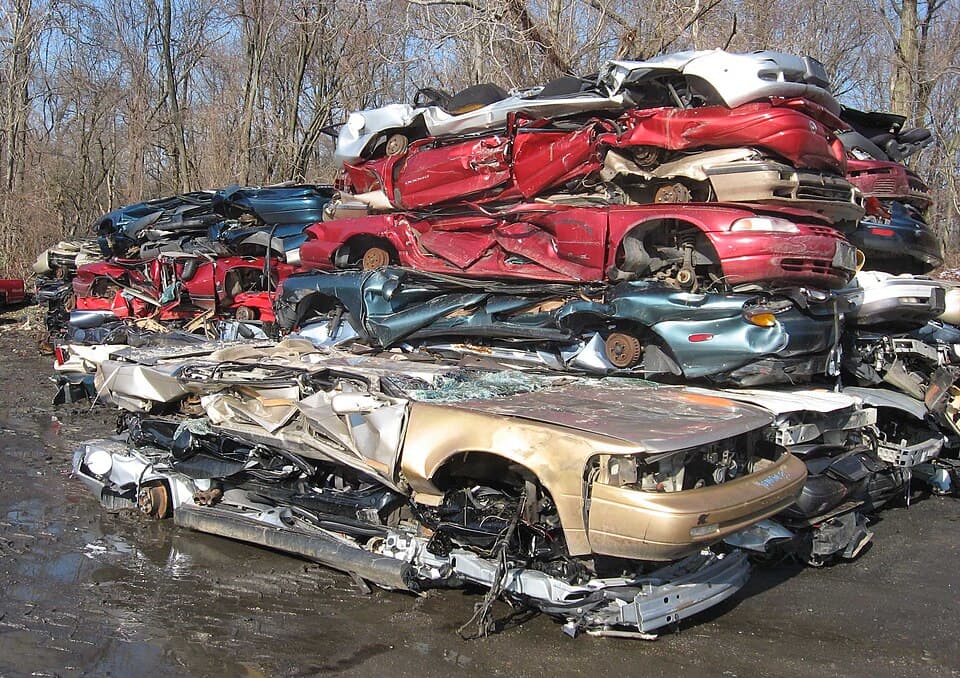
- 5Shredding and Metallurgical Recovery: Stripped vehicle skeletons (hulks) are compressed into cubes by hydraulic balers and transported to industrial hammer-mill shredders. Ferrous metals (steel and iron) are separated magnetically from non-ferrous aluminum and copper, returning valuable metals to the circular manufacturing supply chain.
How Salvage Yards Grade and Inspect Used Auto Parts
Understanding Automotive Recyclers Association (ARA) Standards
One of the greatest fears for used auto parts buyers is receiving a defective, damaged, or worn-out component. To eliminate ambiguity, the Automotive Recyclers Association (ARA) established standardized quality assurance guidelines utilized by professional recyclers across the United States.
Understanding these grades prevents misunderstandings when purchasing used parts online or over the phone.
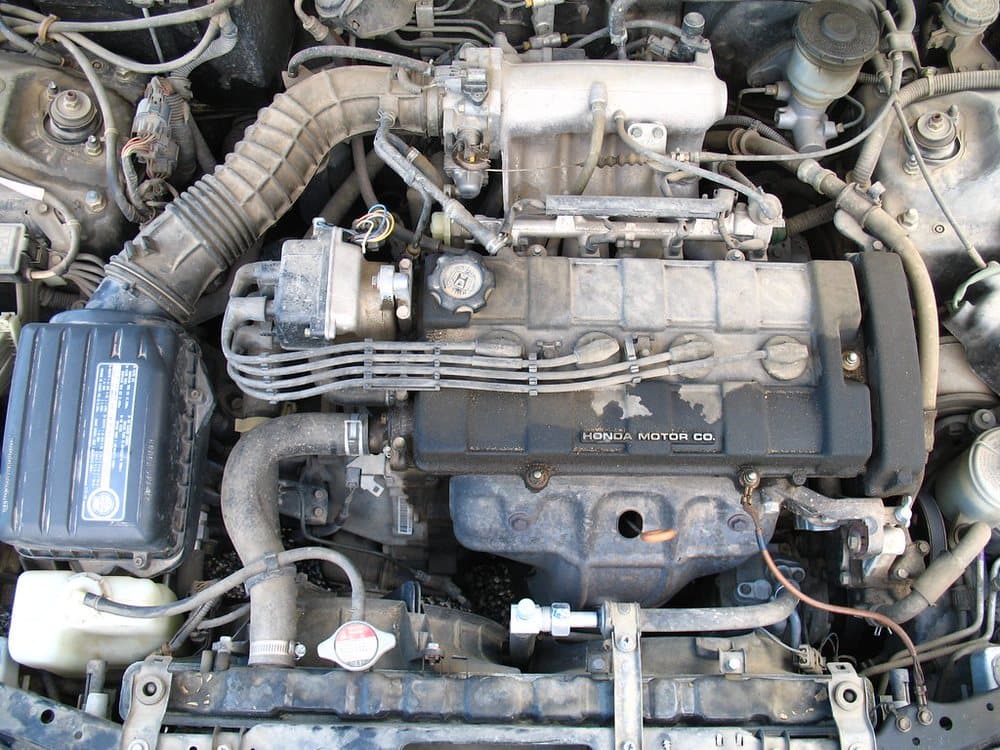
- Grade A Mechanical Parts: Extracted from donor vehicles with less than 60,000 miles, or demonstrating an average accumulation of less than 15,000 miles per model year. Tested and verified for smooth operation with zero internal defects.
- Grade B Mechanical Parts: Donor vehicle has between 60,000 and 100,000 miles, or accumulated between 15,000 and 20,000 miles per model year. Inspected and operational, representing typical wear for the vehicle age.
- Grade C Mechanical Parts: Donor vehicle has exceeded 100,000 miles. These are functional budget options recommended for older vehicles or interim repairs.
- Grade A Sheet Metal / Body Panels: Zero damage units (000 code). Completely free of dents, rust, gouges, or creases; may have light clearcoat scuffs easily polished out during prep.
- Grade B Sheet Metal: Contains 1 damage unit or less (e.g. one minor ding requiring 1 hour or less of body shop paintless dent repair or block sanding).
- Grade C Sheet Metal: Requires more than 1 hour of body repair work (e.g. multiple dings or heavier parking lot scrapes), priced accordingly for collision repairers.
Decoding ARA Sheet Metal Location Codes
ARA damage codes use a clock or grid format to pinpoint flaw locations on body panels. For example, a code of "5D1" indicates a 1-hour dent ("D") located in grid zone 5 (the center of the door or panel). A code of "000" represents an undamaged, factory-straight panel.
Safety-Tier Purchasing Strategy: What to Buy vs. What to Avoid
Protecting Vehicle Reliability and Passenger Safety
Not all automotive components are suitable for salvage acquisition. A sound purchasing strategy segments vehicle parts into three distinct safety tiers based on failure consequences, wear mechanics, and replacement complexity.
- Green Tier (Best Candidates for Salvage Purchase): Sturdy structural and mechanical components with long lifespans. This includes cylinder blocks, complete engines, automatic and manual transmissions, transfer cases, differential assemblies, doors, hoods, fenders, tailgates, alternators, starters, steering racks, and factory alloy wheels. Buying used OEM in this category provides genuine factory metallurgy at a fraction of dealer prices.
- Yellow Tier (Proceed with Verification & Professional Testing): Electronic Control Units (ECUs/PCMs/TCMs), instrument clusters, anti-lock brake (ABS) pumps, and A/C compressors. Electronic modules often require dealer-level reprogramming (J2534 passthrough) or immobilizer pairing. A/C compressors require flushing the entire system and installing a new receiver-drier to maintain warranty coverage.
- Red Tier (Never Purchase Used): Wear components and critical single-use safety devices. This category includes brake pads, brake rotors, flexible hydraulic brake lines, water pumps, timing belts, ball joints, suspension strut cartridges, and deployed/salvaged airbags. Federal safety standards and common sense mandate buying these items brand-new.
Safety Warning: Used Airbags and SRS Modules
Never purchase salvaged airbags or crash sensors from unverified private sellers. Deployed or improperly stored pyrotechnic airbag modules may fail to deploy or rupture dangerously during an accident. Professional recyclers adhere strictly to federal safety protocols regarding Supplemental Restraint Systems.
How Heavy Auto Parts Are Shipped Nationwide
Palletizing, Fluid Drainage, Liftgate Delivery, and Terminal Pickup
When ordering large parts from a nationwide salvage network like USA Used Auto Parts, understanding freight logistics ensures a seamless delivery experience without unexpected surcharges.
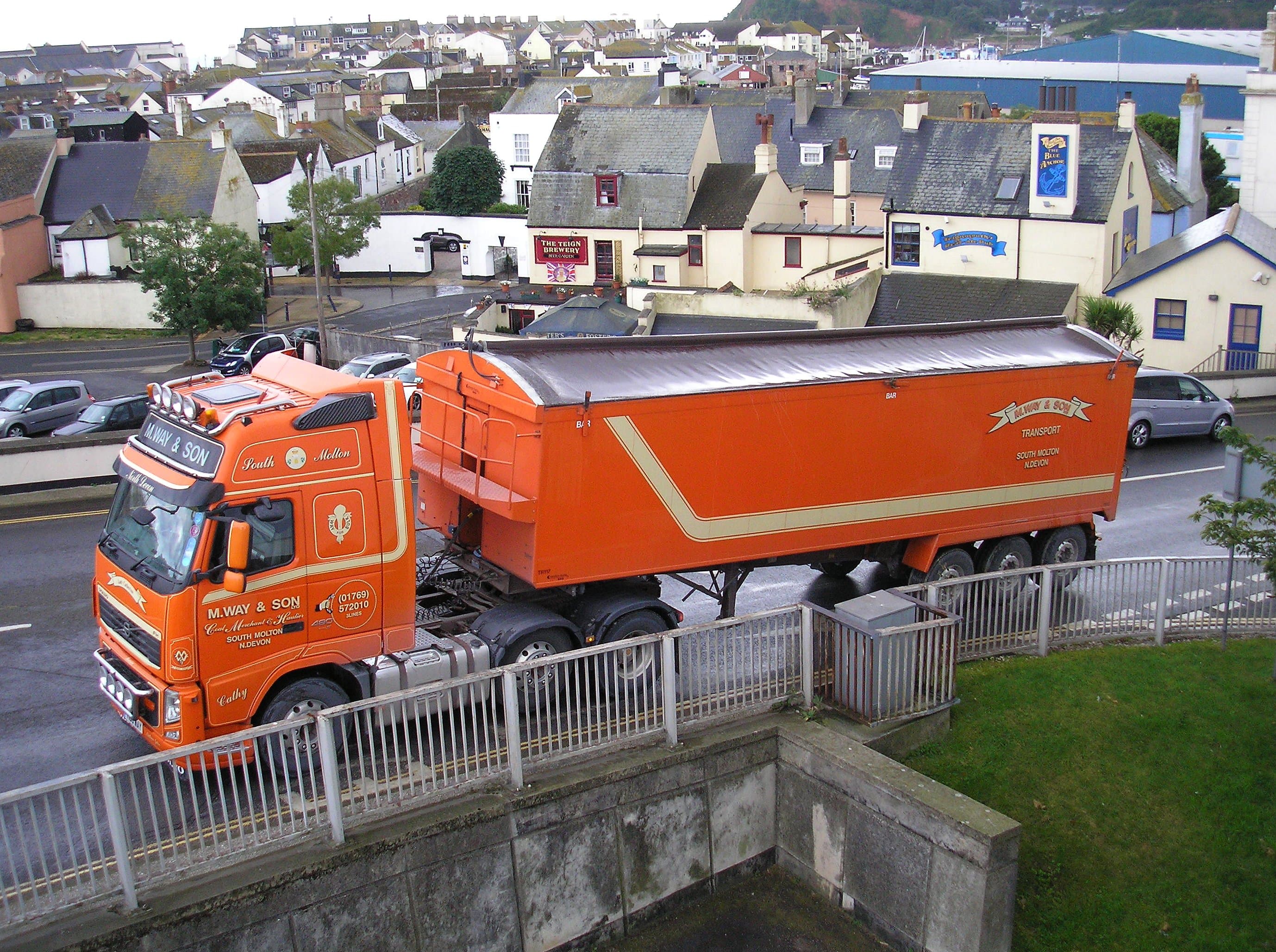
LTL freight involves 53-foot commercial semi-trucks transporting crated freight between regional distribution hubs. Because commercial trucks cannot maneuver into narrow residential cul-de-sacs or unload heavy pallets by hand, buyers must plan accordingly.
- 1Powertrain Fluid Drainage: To comply with federal Department of Transportation (DOT) and hazardous materials regulations, all motor oil, transmission fluid, and coolant are completely drained from the assembly before packaging.
- 2Pallet Banding and Shrink-Wrapping: The engine or transmission is bolted or strapped to a heavy-duty 48" x 40" wooden pallet using high-tensile steel or heavy-gauge polyester banding. Sensitive wiring sensors and intake ports are capped and wrapped in moisture-resistant film.
- 3Selecting the Delivery Destination: Shipping directly to a commercial address with a forklift or loading dock (such as your repair shop or mechanic) is the fastest and most cost-effective method.
- 4Residential Liftgate Service: If shipping to a private residence, freight carriers require a "Liftgate Service" option. The delivery truck is equipped with a hydraulic tailgate platform that lowers the 400-to-600-pound pallet from the truck bed to street level curbside.
- 5Terminal Pickup Alternative: Buyers with a pickup truck or utility trailer can often choose "Terminal Pickup," collecting the pallet directly from the freight carrier's local logistics hub to avoid residential delivery surcharges.
How to Spot and Avoid Online Salvage Yard Scams
Verifying Legitimacy, Payment Security, and Transparent Warranties
The growth of online auto parts commerce has unfortunately attracted fraudulent operators who create fictitious salvage yard websites. These predatory sites copy legitimate inventories and entice buyers with unrealistically low prices.
Legitimate automotive recyclers operate physical brick-and-mortar yards, maintain commercial business licenses, belong to recognized trade associations (such as ARA or State Recyclers Associations), and accept standard credit cards. If a seller insists on non-refundable peer-to-peer payment apps, terminates communication when asked for a VIN or physical yard address, or refuses to provide a written warranty, walk away immediately.
- Verify Physical Existence: Search the company name on Google Maps. A genuine salvage operation features visible outdoor dismantling acreage, vehicle inventory rows, and commercial signage—not a residential townhouse or vacant post office box.
- Payment Protection: Never pay for salvage auto parts via Zelle, CashApp, Western Union, wire transfer, or cryptocurrency. Always use a major credit card, which provides consumer protection and chargeback rights under federal Fair Credit Billing regulations.
- Demand Written Warranty Terms: Trustworthy recyclers provide explicit warranty paperwork stating the coverage duration (e.g. 90-day or 6-month replacement guarantee), covered internal parts, core return deadlines, and claim procedures.
- Inspect Upon Arrival: Before signing the freight carrier delivery receipt (Bill of Lading), inspect the pallet for physical transit damage, cracked housings, or missing accessories.
Core Charges Explained
When purchasing major components like engines, transmissions, or steering racks, salvage yards may charge a refundable "Core Deposit." This deposit incentivizes buyers to return their damaged original part so its casing and internal forgings can be remanufactured rather than scrapped.
Frequently Asked Questions
Is it safe to buy used auto parts from a salvage yard?
Yes, buying used OEM parts from a licensed, full-service salvage yard is safe when purchasing appropriate structural, body, and mechanical components that have been tested and graded under ARA standards. Avoid wear items like brake pads and single-use safety devices like airbags.
Professional recyclers compression-test engines, inspect transmission gear engagement, and verify factory dimensional alignment before listing parts.
How do I know if a used part will fit my vehicle?
Provide the salvage yard with your exact 17-digit Vehicle Identification Number (VIN) and vehicle details (year, make, model, trim, transmission type, and engine size).
Yards use the Hollander Interchange system to cross-reference your VIN against thousands of compatible vehicles and exact OEM part numbers.
What does Hollander Interchange mean?
Hollander Interchange is the automotive recycling industry standard parts-matching numbering system established in 1934. It assigns a unified 5-digit number to interchangeable components across different makes, models, and production years.
What is the difference between a pick-and-pull yard and a full-service recycler?
In a pick-and-pull (self-service) yard, customers bring their own tools into the yard and unbolt parts from donor vehicles themselves. In a full-service salvage yard, professional technicians extract, inspect, clean, and warehouse parts, providing warranties and shipping options.
Do salvage yards offer warranties on used engines and transmissions?
Yes, reputable full-service auto recyclers provide standard warranties ranging from 30 to 90 days, with many offering extended 6-month replacement warranties covering internal lubricated components.
Warranties typically cover the engine cylinder block, heads, pistons, camshafts, and internal gears against mechanical failure.
How are heavy components like used engines and transmissions delivered?
Large components are drained of fluids, strapped to standard wooden pallets, shrink-wrapped, and shipped via Less-Than-Truckload (LTL) commercial freight trucks directly to your auto repair shop or residential curbside with liftgate service.
What are ARA damage codes on used body parts?
The Automotive Recyclers Association (ARA) damage coding system uses numbers and letters to communicate the location and severity of any flaw on a used body panel. For example, 1 unit of damage equals approximately 1 hour of professional repair time.
Ready to Locate Your Replacement Auto Part?
Avoid dealership markups and low-grade aftermarket replicas. Search our live inventory of verified OEM used parts backed by our 6-month warranty and nationwide freight delivery.
Relevant Parts Inventory
Tested Used OEM Engines
PopularSearch compression-tested recycled engine assemblies with verified mileage and 6-month warranty.
Used OEM Transmissions
Find bench-tested automatic and manual transmissions complete with torque converters and warranty.
Factory Body Panels & Fenders
Source original collision-free hoods, doors, bumpers, and decklids with factory alignment.
All Recycled Auto Parts Catalog
Browse our complete nationwide commercial inventory of verified OEM recycled components.