Everything You Need to Know About Used OEM Parts
A technical analysis of factory metallurgy, crashworthiness, electronic module reprogramming, and salvage part grading.
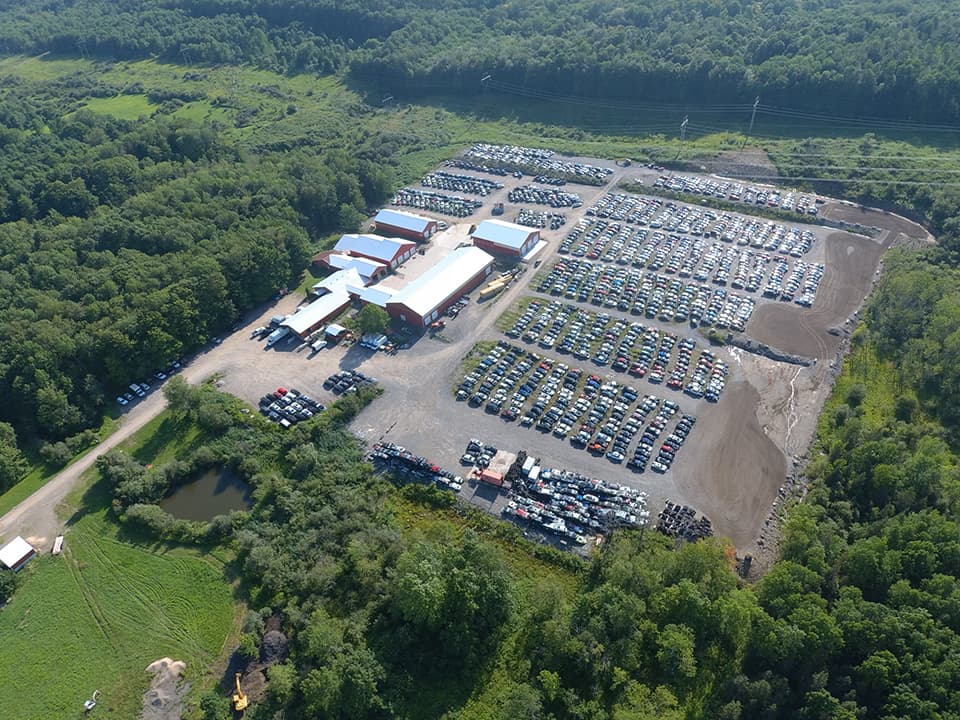
Used OEM components preserve original factory engineering, metallurgy, and robotic assembly precision.
Direct Takeaway & Quick Answer
Used OEM parts are genuine factory-installed components harvested from clean donor vehicles. Unlike third-party aftermarket replicas, used OEM parts retain original automaker metallurgy, zinc electro-galvanized rust protection, exact dimensional tolerances, and certified crash crumple-zone behavior. However, electronic modules require specialized J2534 programming to rewrite VIN and anti-theft security codes.
- Original Equipment Suppliers (OES) like Denso, Bosch, and ZF produce the exact same components sold in dealership boxes without the brand markup.
- In structural collision repair, used OEM body panels fit with tight 3–4mm factory gaps, eliminating the hours of cutting and filling required by cheap aftermarket sheet metal.
- Electronic modules (ECMs, PCMs, TCMs, BCMs) are VIN-locked by factory anti-theft immobilizers; installing a used module requires J2534 passthrough flashing or EEPROM bench virginizing.
- Sheet metal condition is transparently indexed using the ARA 1–9 grid code system (e.g. "5D1" indicates a 1-hour dent in the dead center of the panel).
Table of Contents
When repairing a vehicle, drivers and repair technicians face an ongoing dilemma: pay exorbitant dealership prices for brand-new Genuine OEM parts, gamble on inexpensive third-party aftermarket alternatives, or source recycled OEM parts from licensed automotive recyclers.
While the low upfront purchase price of aftermarket parts can be tempting, seasoned automotive technicians understand that "aftermarket" covers an enormous spectrum—from high-end performance upgrades to dangerously inferior reverse-engineered replicas made from low-grade metals and brittle plastics.
Recycled OEM parts combine the structural integrity, acoustic engineering, and precise tolerances of original factory parts with the affordability of the secondary market. This guide examines the engineering realities of used OEM parts, detailing metallurgical advantages, ECU programming protocols, ARA sheet metal grading, and when used OEM is unequivocally the superior choice.
Defining OE, OEM, and OES: Understanding the Automotive Supply Chain
Why Automakers Assemble Parts Rather Than Manufacturing Everything
A pervasive consumer misconception is that vehicle manufacturers fabricate every nut, bolt, sensor, and compressor inside their own factories. In reality, automakers design vehicle architectures and subcontract component manufacturing to specialized Tier-1 engineering suppliers.
When you understand this supply chain structure, you realize that a used factory alternator or transmission harvested from a donor vehicle was built by world-class engineering suppliers under strict factory quality audits.
| Classification | Manufacturing Entity | Branding & Packaging | Metallurgical & Engineering Standard | Price Index |
|---|---|---|---|---|
| Genuine OE (Dealer) | Tier-1 Supplier or Automaker | Automaker logo box (e.g. GM, Ford, Toyota) | Official factory production line specification | 100% (Full retail markup) |
| OES (Original Supplier) | Tier-1 Supplier (Bosch, Denso, ZF) | Supplier brand box (e.g. Denso or Bosch box) | Identical to Genuine OE; same tooling and alloy | 60% to 75% of Dealer List |
| Recycled OEM (Used) | Harvested original factory component | Original factory casting and stamped logos | Retains original factory metallurgy and fitment | 20% to 45% of Dealer List |
| Aftermarket (Generic) | Third-party independent factory | Generic or private-label box | Reverse engineered; variable metallurgy and tolerances | 35% to 65% of Dealer List |
Real-World Example: OES Suppliers
When you purchase a Genuine BMW water pump at a dealership, it is manufactured by Pierburg. When you purchase a Genuine Toyota alternator, it is engineered by Denso. Sourcing a used OEM part guarantees you receive this world-class tier-one manufacturing rather than an unbranded knockoff.
Why Used OEM Is Superior to Cheap Aftermarket Parts
Metallurgical Integrity, Panel Gaps, and Crash Crumple Zones
In collision and body repair, aftermarket replacement panels are notorious for poor fitment. Stamping automotive sheet metal requires million-dollar stamping dies with thousands of tons of hydraulic pressure. Automakers calibrate these dies down to fractions of a millimeter.
Third-party aftermarket manufacturers often reverse-engineer stamping molds by laser-scanning an existing part. This introduces cumulative dimensional errors, resulting in panels that bow, pinch, or leave uneven 8mm gaps along body character lines.
- Corrosion Resistance & Galvanizing: Genuine OEM body panels undergo factory electro-galvanized zinc baths and e-coat immersion, providing 10+ years of rust prevention. Cheap aftermarket panels frequently use minimal primer coats that bubble with corrosion within one or two winters.
- Crash Safety and Energy Absorption: Modern vehicle frames and unibody pillars (A, B, and C pillars) are engineered with tailor-welded blanks of Ultra-High-Strength Steel (UHSS) and boron alloys designed to fold like an accordion during impact, absorbing kinetic energy before it reaches the cabin. Generic aftermarket steel lacks this metallurgical programming, either crushing too easily or transferring lethal impact energy directly into occupants.
- Robotic Hem Flange Seals: Factory doors, hoods, and decklids feature precision robotically sealed hem joints along the perimeter. Used OEM panels retain these factory water-tight seals, preventing moisture entrapment that rots doors from the inside out.
- Noise, Vibration, and Harshness (NVH): OEM parts incorporate engineered acoustic baffles, mastic vibration dampers, and specific wall thicknesses tuned to prevent interior cabin droning.
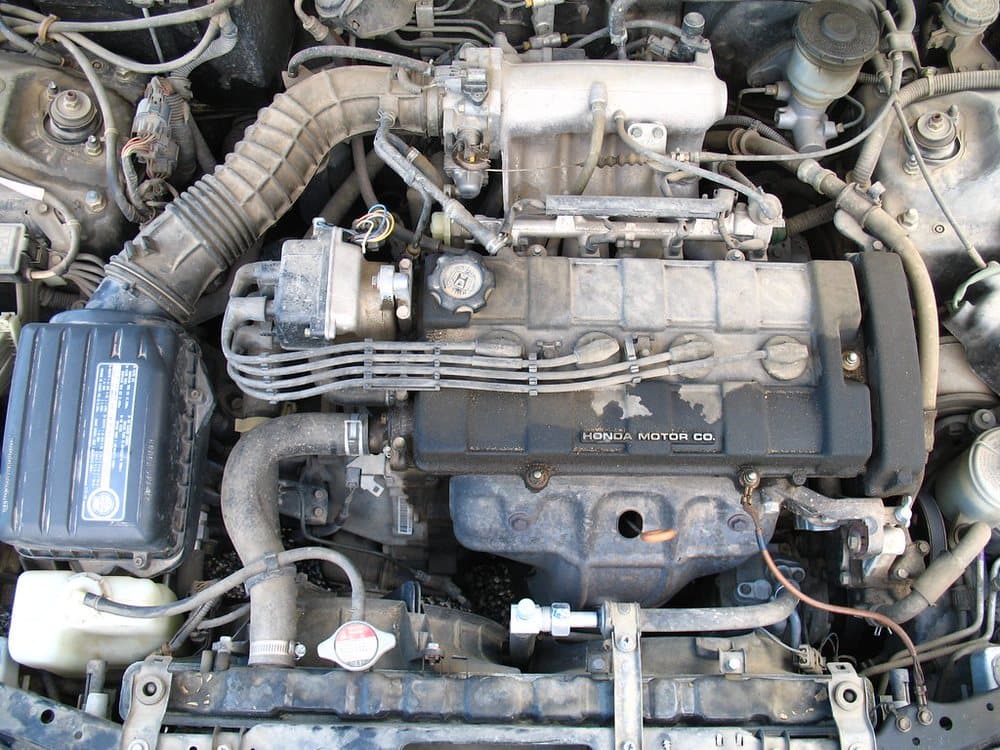
Can Used Electronic Modules and ECUs Be Programmed?
Demystifying VIN Locking, Immobilizers, and J2534 Passthrough Flashing
A frequent source of frustration occurs when a car owner installs a replacement Engine Control Module (ECM) from a salvage yard, only for the engine to crank for two seconds and shut down with a flashing security indicator.
Since the late 1990s, automakers have integrated computerized anti-theft immobilizer systems (such as GM Passlock/VATS, Ford PATS, Chrysler SKIM, and German CAS/FBS). The vehicle's key transponder, Body Control Module (BCM), instrument cluster, and ECM must share an encrypted handshake.
- 1Diagnostic Verification: Before buying an ECU, ensure your existing vehicle issue is actually a failed module. Defective grounds, damaged harness wires, or corroded sensor terminals frequently mimic computer failure.
- 2Part Number & Hardware Matching: The "Hardware Number" (HW) or Service Number on the module's barcode label must match your vehicle's requirements exactly. Even if the outer aluminum case looks identical, internal processor chips and pin layouts vary.
- 3J2534 Passthrough Programming: An automotive technician connects a SAE J2534 passthrough interface device (such as a Drew Technologies CarDAQ or Bosch Mastertech) to your vehicle's OBD-II port, connects to the automaker's official cloud software (e.g. GM SPS2, Ford FDRS, Toyota Techstream), and overwrites the donor VIN with your vehicle's genuine VIN and latest calibration software.
- 4Security / Key Relearn Procedure: Once flashed, an immobilizer handshake procedure marries the replacement module to your vehicle's existing ignition keys and transponder chips.
- 5Bench Virginizing (When Required): Certain European and domestic modules (such as Mercedes-Benz EIS or modern BMW DME) cannot be rewritten via the OBD-II port once "burned" with a VIN. Specialized electronics technicians must desolder the EEPROM chip on a test bench, write blank hexadecimal code ("virginize" the chip), and reinstall it, allowing it to adopt your vehicle's parameters.
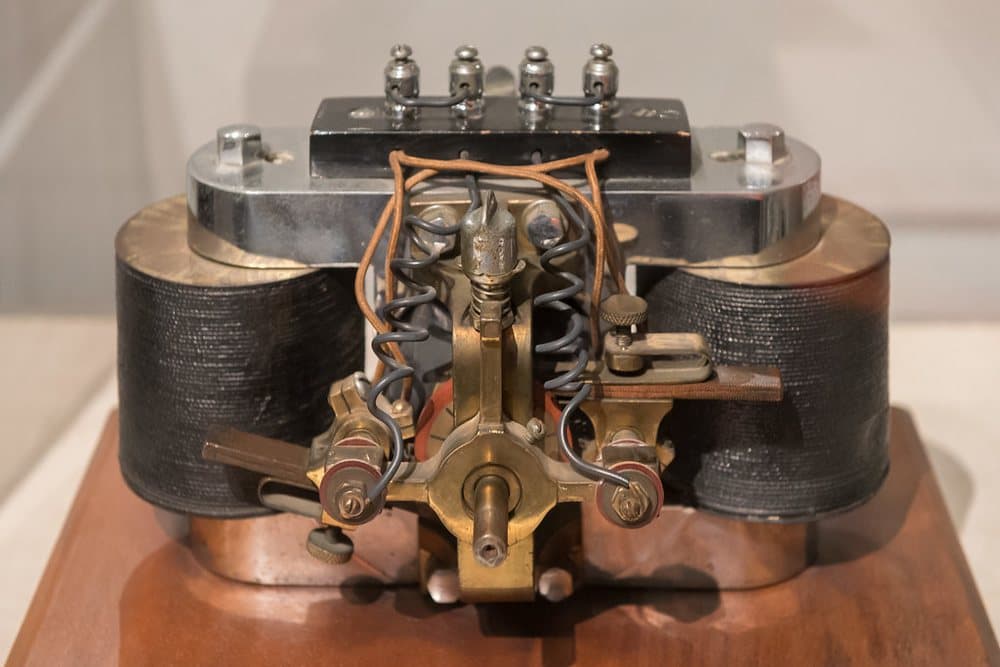
Decoding ARA and CIECA Sheet Metal Damage Codes
How Salvage Yards Quantify Body Panel Condition
To enable body shops and consumers to buy sheet metal sight-unseen over digital networks, professional auto recyclers utilize an objective damage classification code.
The panel is conceptually divided into nine equal grid zones numbered 1 through 9, reading left-to-right, top-to-bottom like a telephone keypad. When combined with standardized damage abbreviations and repair-hour estimates, the code reveals the exact state of the part.
- Grid Position 1: Upper Left / Front Top quadrant
- Grid Position 2: Upper Center quadrant
- Grid Position 3: Upper Right / Rear Top quadrant
- Grid Position 4: Middle Left / Front Center quadrant
- Grid Position 5: Dead Center of the panel
- Grid Position 6: Middle Right / Rear Center quadrant
- Grid Position 7: Lower Left / Front Bottom quadrant
- Grid Position 8: Lower Center quadrant
- Grid Position 9: Lower Right / Rear Bottom quadrant
- Standard Damage Letters: D = Dent, S = Scratch, C = Crease, G = Gouge, R = Rust, H = Hole, P = Paint defect.
- Damage Units: Numbers 1 through 9 represent the estimated hours of professional body labor required to repair the flaw. For example, "1" represents up to 1 hour; "2" represents up to 2 hours.
- Code "000": Represents a clean, undamaged panel with zero required repair hours.
Practical Example: Reading ARA Codes
If you see a driver-side door listed with ARA code "7S1", it means there is a surface scratch requiring approximately 1 hour of prep and paint work located in grid zone 7 (the lower front corner of the door near the sill). A panel marked "000" is completely straight with zero damage.
Frequently Asked Questions
Are used OEM parts as good as brand-new OEM parts?
Used OEM parts provide the exact same metallurgy, structural crashworthiness, and dimensional fitment as new OEM parts because they were produced by the original manufacturer. When inspected for mechanical health and low mileage, they deliver comparable performance at 50-80% lower cost.
What does OES mean in auto parts?
OES stands for Original Equipment Supplier. These are independent engineering companies (such as Denso, Bosch, ZF, Valeo, and Brembo) that manufacture parts for automakers. OES parts are identical to Genuine dealership parts in every way except packaging.
Can I install a used ECU/ECM without reprogramming it?
In virtually all modern vehicles (built after 2000), no. Used engine computers are married to the donor vehicle's VIN and immobilizer anti-theft system. Attempting to start the car without J2534 VIN flashing will trigger anti-theft lockdown.
Why are used OEM body parts preferred by body shops over aftermarket?
Body shops prefer used OEM panels because they fit immediately with uniform 3-4mm factory gaps. Cheap aftermarket panels often require hours of cutting, bending, and body filler to align, which eliminates any initial purchase savings.
Are used airbags legal and safe to purchase?
Federal and state laws heavily regulate salvaged restraint systems. Professional auto recyclers do not resell deployed or recall-affected airbags. Vehicle owners should only replace airbags with certified, non-deployed modules verified by a licensed collision facility.
What does an ARA code of 000 mean on a used body part?
An ARA code of 000 signifies that the sheet metal panel has zero damage units. It is free of dents, rust, gouges, or creases and requires zero hours of body repair work.
Do used OEM mechanical parts come with warranty protection?
Yes. Reputable salvage networks provide warranties ranging from 30 days to 6 months covering internal mechanical failure on engines, transmissions, transfer cases, and steering components.
Upgrade Your Repair with Genuine OEM Quality
Do not gamble with ill-fitting aftermarket knockoffs. Search our verified inventory of recycled OEM parts backed by our 6-month warranty and nationwide shipping.
Relevant Parts Inventory
Original OEM Used Engines
CertifiedExplore factory-tested used engines with verified compression and 6-month warranty.
Factory OEM Transmissions
Source original automatic and manual transmissions tested for smooth gear engagement.
OEM Body Panels & Fenders
Original factory doors, hoods, and bumpers with authentic sheet metal fitment.
Browse All Used Auto Parts
Search our full commercial inventory of genuine recycled OEM components.
Related Automotive Guides
OEM vs Aftermarket vs Used Parts: What's the Difference?
How to Identify Genuine OEM Used Parts Online: Forensic Verification and Counterfeit Avoidance
What Do Used Auto Part Grades Mean? A Practical Grading Guide