What Is a Salvage Yard? How Used Auto Parts Are Sourced and Tested
An insider look into modern automotive recycling facilities, environmental depollution, mechanical testing protocols, and nationwide parts distribution.
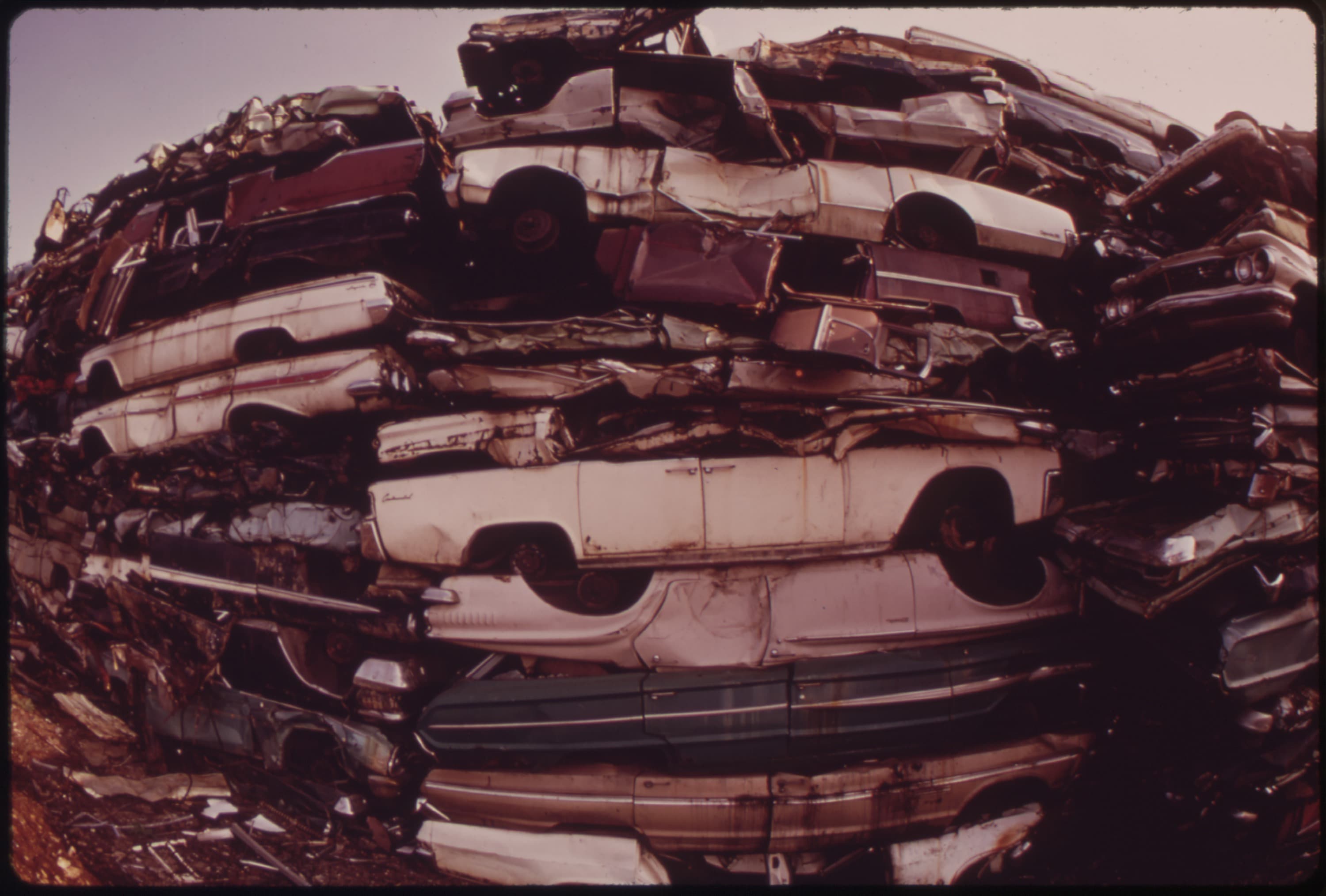
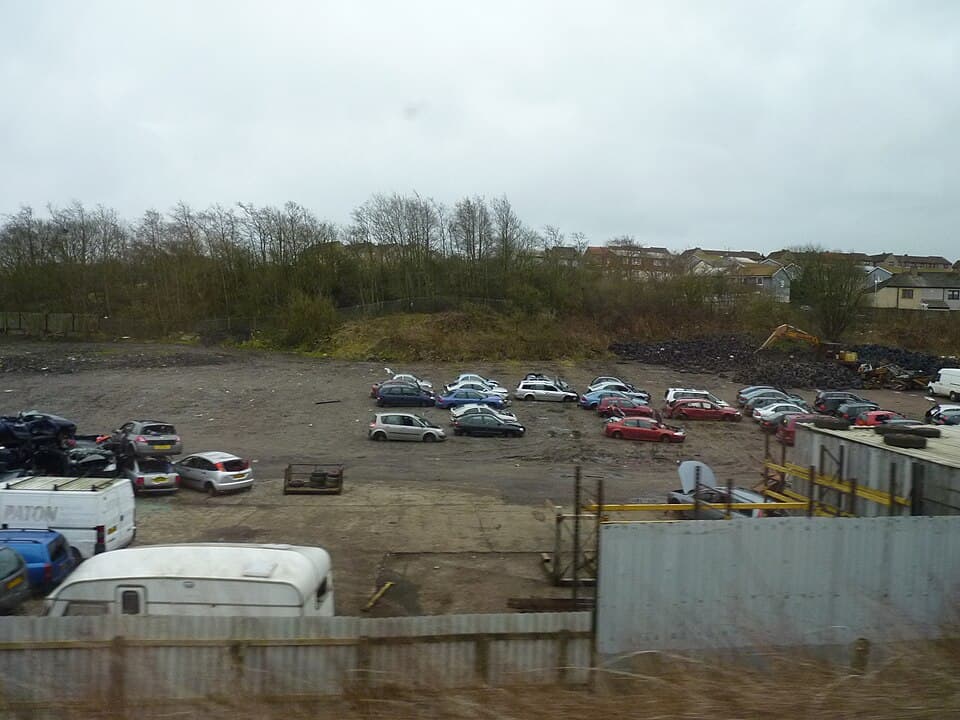
Modern automotive recycling facilities operate computer-indexed inventories and depollution bays rather than unorganized scrap heaps.
Direct Takeaway & Quick Answer
A modern salvage yard—professionally known as an automotive recycling facility—is an environmentally regulated, high-technology industrial operation. These facilities acquire end-of-life vehicles from insurance auctions and fleets, depollute all hazardous fluids, catalog viable parts using the Hollander Interchange system, perform rigorous mechanical testing (such as cylinder compression and transmission bench tests), and grade components using Automotive Recyclers Association (ARA) standards.
- Modern automotive recyclers are computerized parts distribution centers, completely distinct from unregulated legacy junkyards.
- Sourced primarily through insurance total-loss auctions, donor vehicles frequently contain low-mileage, undamaged powertrains.
- Mandatory environmental depollution safely recovers refrigerants, crankcase oils, coolants, and hazardous heavy metals prior to dismantling.
- Inventory management systems like Hollander Powerlink and Pinnacle track components from donor VINs to warehouse barcoded shelving.
- Mechanical testing protocols include cold and hot compression checks, optical borescope inspections, and transmission pan debris audits.
- ARA grading standards (Grade A, B, C) and damage unit metrics establish transparent quality benchmarks across nationwide salvage networks.
Table of Contents
- 1.From "Junkyard" to Automotive Recycler: The Industry Evolution
- 2.How Donor Vehicles Arrive at Professional Salvage Yards
- 3.The Depollution Process: Environmental Safety and Fluid Abatement
- 4.How Salvage Yards Catalog and Inventory Recycled Auto Parts
- 5.Rigorous Testing Protocols: How Used Engines and Transmissions Are Verified
- 6.Quality Control: Automotive Recyclers Association (ARA) Grading Standards
- 7.Environmental Compliance and End-of-Life Metallurgical Recovery
- 8.How Online Salvage Networks Deliver Tested Parts Nationwide
- #Frequently Asked Questions
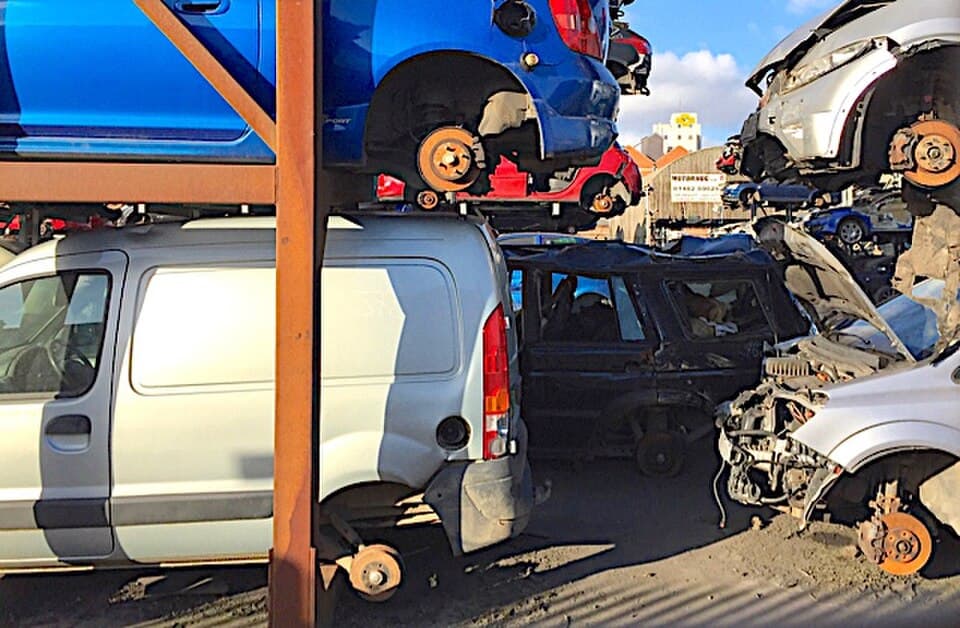
The popular perception of an auto salvage yard often conjures images of a muddy, disorganized "junkyard" where rusted vehicle hulks sit stacked three-high awaiting an industrial crusher. Decades ago, that characterization held some truth. Today, however, the automotive recycling industry has evolved into a technologically sophisticated, multi-billion-dollar pillar of the global circular economy.
Modern automotive recycling facilities process between 12 and 15 million end-of-life vehicles (ELVs) annually across North America. Rather than simply dumping vehicles into open scrap fields, professional auto recyclers operate computer-managed warehouses, high-tech diagnostic testing bays, and precision fluid-recovery infrastructure designed to meet rigorous federal and state environmental mandates.
For drivers, fleet operators, and commercial repair shops facing sudden mechanical failure, professional salvage yards provide an essential economic lifeline. When an engine throws a rod, an automatic transmission slips, or a front collision ruins body panels, purchasing a tested recycled original equipment manufacturer (OEM) assembly delivers genuine factory metallurgy, acoustic insulation, and precision fitment at 50% to 80% below dealership replacement pricing.
Understanding the full journey of a recycled auto component—from auction acquisition and environmental depollution to digital cataloging, mechanical certification, and freight logistics—empowers vehicle owners to source used parts with technical clarity and complete peace of mind.
From "Junkyard" to Automotive Recycler: The Industry Evolution
How Digital Inventories and Environmental Standards Replaced the Scrap Heap
Historically, automotive salvage yards focused primarily on raw metallurgical value. Vehicles were purchased for their weight in scrap iron and steel, parked haphazardly in open fields, and stripped indiscriminately with acetylene torches by anyone willing to haul their own tools through the mud. Environmental protections were virtually non-existent, allowing refrigerants, petroleum lubricants, and battery acid to leach directly into surrounding soil.
Over the past three decades, a convergence of environmental regulations, complex vehicle electronics, and computing power fundamentally reshaped the trade. Today, the Automotive Recyclers Association (ARA) and state environmental protection agencies enforce strict operating procedures. Facilities are engineered with impermeable concrete staging bays, high-capacity oil-water separators, and closed-loop fluid evacuation systems.
Simultaneously, the economic value of vehicles migrated from raw scrap metal toward intact, precision-engineered assemblies. Modern vehicles are complex mobile computers containing high-strength alloys, variable valve timing mechanisms, electronic control modules (ECUs), and radar sensors. Harvesting these assemblies intact demands skilled dismantling technicians, computerized diagnostic equipment, and climate-controlled warehouse storage.
As a result, modern recyclers operate more like advanced logistics distribution hubs than traditional scrap yards. Every harvested part is inspected, cleaned, digitally tagged, and cataloged into enterprise databases, making reliable recycled OEM components accessible to consumers and repair shops across the country.
| Operational Factor | Traditional Scrap Junkyard | Modern Automotive Recycler |
|---|---|---|
| Inventory Tracking | None or paper ledger; "walk the yard and find it" | Computerized database indexed by 17-digit VIN & Hollander Interchange |
| Environmental Safeguards | Unpaved soil staging; unregulated fluid release | Impermeable containment bays; certified EPA fluid extraction |
| Powertrain Quality Control | Untested; parts sold "as-is, where-is" | Multi-cylinder compression, borescope, run-testing, and fluid analysis |
| Storage Environment | Parts exposed to sun, rain, and road salt oxidation | Climate-controlled warehouse racking with barcode stock identifiers |
| Warranty & Logistics | Rarely warranted; cash-only on-site extraction | 30 to 180-day warranties; nationwide crated LTL freight shipping |
The Circular Economy Impact of Automotive Recycling
Automotive recycling is the 16th largest industry in the United States. Reusing functional OEM components saves roughly 85 million barrels of crude oil annually by eliminating the need to manufacture new replacement parts from virgin raw materials.
How Donor Vehicles Arrive at Professional Salvage Yards
Understanding Total-Loss Claims, Auctions, and Fleet Decommissioning
A common misconception among consumers is that vehicles in salvage yards are worn-out clunkers that died of old age or neglect. In truth, the vast majority of premium inventory in modern recycling facilities originates from insurance total-loss settlements managed by major insurance carriers.
Under insurance actuarial guidelines, an insurer declares a vehicle a "total loss" when the estimated cost of repairs (parts, labor, and paint) combined with the projected salvage value exceeds a state-mandated threshold—typically between 70% and 80% of the vehicle's pre-accident Actual Cash Value (ACV). For modern vehicles equipped with advanced driver assistance systems (ADAS), complex multi-stage paint, and integrated unibody crumple zones, a cosmetic rear collision or moderate side-impact can easily trigger a total-loss declaration.
In these common collision scenarios, the mechanical components located at the opposite end of the impact point—such as the engine assembly, transmission, front steering rack, suspension cradles, and subframes—remain in pristine, factory-original condition. The salvage yard purchases these vehicles through licensed dealer-only salvage auctions like Copart and Insurance Auto Auctions (IAAI).
Beyond collision totals, yards source vehicles through municipal fleet retirements, dealership trade-ins, and mechanical lease returns, providing a continuous pipeline of low-mileage donor platforms.
- Insurance Total-Loss Auctions: Sourced via closed salvage auction exchanges (Copart, IAAI) where late-model vehicles involved in collisions, theft recoveries, or localized hail damage are liquidated.
- Municipal & Government Fleets: Decommissioned police cruisers, utility trucks, and inspection vans retired due to calendar service intervals rather than mechanical failure, featuring documented maintenance records.
- Commercial Lease Returns & Fleet Turnovers: High-demand work vans and commercial pickup trucks retired at fixed mileage thresholds, offering durable heavy-duty powertrains and suspension assemblies.
- Dealership Mechanical Trade-Ins: Vehicles with isolated mechanical issues (such as a blown transfer case or failed air conditioning compressor) traded in by owners unwilling to pay retail dealership repair quotes.
NMVTIS Reporting and Title Integrity
Federal law requires all licensed automotive recyclers to report acquired vehicles to the National Motor Vehicle Title Information System (NMVTIS). This mandatory intake logging records the 17-digit VIN, odometer reading, and branded title status (e.g., Salvage, Rebuildable, Certificate of Destruction) to permanently prevent stolen vehicle laundering and consumer title fraud.
The Depollution Process: Environmental Safety and Fluid Abatement
Zero-Discharge Decommissioning Before Parts Harvesting Begins
When an end-of-life vehicle arrives at a certified automotive recycling facility, it is first directed to an EPA-compliant depollution station. Dismantling a vehicle containing pressurized refrigerant, volatile gasoline, and corrosive fluids without containment represents an extreme environmental and fire hazard.
Technicians operating specialized hydraulic extraction arms puncture and vacuum-evacuate fluid reservoirs without allowing fumes or liquids to enter the workspace. The recovery process is comprehensive: crankcase motor oil, automatic transmission fluid, power steering fluid, hydraulic brake fluid, engine coolant (ethylene glycol), differential gear lubricants, and windshield washer solvent are captured in isolated, color-coded bulk containment tanks.
Refrigerants (R-134a and R-1234yf) are recovered using closed-loop recovery units by technicians certified under Section 609 of the Clean Air Act. Recovered refrigerants are weighed, cleaned, and sent to certified reclamation facilities. Recovered fuels are filtered and repurposed for yard support vehicles or heating, while waste oils are collected by licensed re-refiners for conversion into industrial lubricants.
In addition to liquid contaminants, technicians remove potential toxic solids including mercury tilt switches from older under-hood lighting fixtures and ABS systems, lead wheel weights, and pyrotechnic seatbelt pretensioners.
- 1Intake Inspection & NMVTIS Registration: The vehicle is weighed, photographed from 360 degrees, and logged into yard management software. The 17-digit VIN is verified against state and federal theft registries.
- 2Airbag Deactivation & Pyrotechnic Safing: Supplemental Restraint System (SRS) modules and un-deployed airbag inflators are systematically rendered inert or handled according to federal hazardous materials shipping guidelines.
- 3Closed-Loop Refrigerant Evacuation: Technicians connect specialized recovery machines to high- and low-side AC service ports, pulling deep vacuum recovery of R-134a or R-1234yf refrigerants.
- 4Fluid Evacuation & Separation: Hydraulic punch-and-drain tools pierce fuel tanks, oil pans, transmission pans, and radiator lower tanks, channeling fluids through dedicated lines into subterranean double-walled containment tanks.
- 5Heavy Metal & Battery Harvesting: Mercury-containing light switches, ABS module switches, lead-acid starting batteries, and high-voltage lithium-ion traction battery packs are safely isolated for specialized battery recycling streams.
How Salvage Yards Catalog and Inventory Recycled Auto Parts
Hollander Interchange, Powerlink, and Pinnacle Enterprise Databases
Once a donor vehicle has completed depollution, parts evaluators inspect the vehicle to decide which components should be harvested for immediate warehouse racking versus left on the chassis for demand-based dismantling. In full-service yards, high-demand mechanical assemblies—including engines, transmissions, transfer cases, rear axle differentials, alternators, and steering racks—are extracted immediately.
Every salvaged component is indexed into specialized enterprise salvage software, most notably Hollander Powerlink, Checkmate (by Car-Part), or Pinnacle Professional. These platforms rely on the Hollander Interchange system, invented in 1934 by Roy Hollander. Hollander Interchange assigns a standardized 5-digit part number to mechanically identical components, enabling recyclers to instantly identify cross-vehicle compatibility.
For example, an alternator from a 2019 GMC Sierra may physically bolt to, electrically connect with, and properly charge a 2021 Chevrolet Tahoe or Cadillac Escalade. Instead of forcing buyers to locate a part exclusively from the identical model year, the Hollander system reveals all compatible donor vehicles across automotive manufacturing platforms.
Each harvested part receives a high-durability adhesive barcode label encoding the donor vehicle's VIN, exact odometer reading, condition grade, shelf location, and Hollander identification number. Delicate electronics, throttle bodies, and fuel injection rails are wrapped in protective polyethylene sheeting and stored in high-density indoor industrial warehouse shelving to prevent atmospheric moisture damage.
| Data Attribute | Technical Significance | Consumer & Mechanic Benefit |
|---|---|---|
| Donor 17-Digit VIN | Confirms assembly plant, engine displacement, and trim tier | Prevents mid-year production revisions from causing fitment mismatches |
| Odometer Mileage | Recorded directly from donor instrument cluster or ECU query | Provides transparent wear history and baseline for warranty qualification |
| Hollander Interchange # | Unified 5-digit compatibility standard across manufacturers | Expands parts sourcing options across sister brands on shared platforms |
| ARA Condition Code | Standardized grading of cosmetic and mechanical wear units | Guarantees clear expectations regarding repair time or surface finish |
| Warehouse Bin Location | Exact aisle, bay, shelf, and bin identifier in ERP system | Enables rapid picking, verification, packaging, and same-day freight dispatch |

Rigorous Testing Protocols: How Used Engines and Transmissions Are Verified
Compression Diagnostics, Borescope Inspection, and Bench Testing
The primary concern for any buyer investing in a used engine or transmission is operational reliability. Legitimate automotive recyclers do not merely unbolt an engine and hope it runs; they execute rigorous diagnostic validation protocols prior to certifying an assembly for inventory.
When donor vehicles arrive with functional electrical systems, technicians perform a "hot run-test" directly in the vehicle, bringing the engine to operating temperature to evaluate idle smoothness, coolant temperature regulation, oil pressure gauges, and exhaust emissions (checking for blue smoke indicating ring wear or white smoke indicating head gasket breach). Technicians also scan the vehicle's On-Board Diagnostics (OBD-II) system for stored Diagnostic Trouble Codes (DTCs), such as cam-crank correlation errors or transmission slip codes.
If the vehicle cannot be run due to collision damage or disconnected wiring harnesses, technicians conduct a specialized "cold cranking compression test." A starter motor engagement tool cranks the engine while a pressure transducer records peak pounds per square inch (PSI) across every individual cylinder. A certified engine must demonstrate robust compression levels with cylinder-to-cylinder variance strictly within 10% to 15% of manufacturer specifications.
Technicians further inspect internal combustion health by dropping an optical borescope camera through spark plug or injector apertures to inspect cylinder cross-hatch honing, piston crowns, and valve seat seating. Transmission technicians drain fluid into white diagnostic trays to inspect for dark discoloration, burnt friction material odors, or brass glitter from synchronizers, while dropping the transmission oil pan to ensure magnet catches are free of abnormal metal flakes.
- 1External Fluid & Integrity Audit: Technicians inspect external mating surfaces, timing covers, and cylinder head seams for oil leaks, coolant crusting, or impact fractures.
- 2OBD-II Diagnostic Interrogation: Where vehicle electronics are operational, freeze-frame sensor data and stored diagnostic codes are extracted to identify misfires or timing irregularities.
- 3Calibrated Compression Testing: Pressure gauges measure peak combustion PSI across all cylinders to verify piston ring seal and valve seat integrity.
- 4Optical Borescope Inspection: High-resolution endoscopic cameras enter cylinder bores to inspect cylinder wall cross-hatching and rule out scoring or foreign object damage.
- 5Transmission Pan & Solenoid Bench Audit: Pans are dropped to examine magnet debris; transmission valve body shift solenoids are resistance-tested using digital multimeters.
- 6Certification Tagging & Protective Sealing: Certified assemblies receive weatherproof QR tags linking to diagnostic test logs; all intake and exhaust ports are sealed with plastic caps.
Compression Testing Standards for Recycled Engines
A healthy modern gasoline engine typically produces 150 to 200+ PSI per cylinder. Equal distribution across all cylinders is far more critical than raw peak numbers; a cylinder reading 20% lower than adjacent cylinders indicates leaking piston rings, burnt exhaust valves, or a blown head gasket, immediately disqualifying the engine from Grade A inventory.
Quality Control: Automotive Recyclers Association (ARA) Grading Standards
Demystifying Part Conditions, Mileage Tiers, and Damage Units
To establish nationwide consistency between recycling facilities, collision repair shops, and online consumers, the Automotive Recyclers Association developed a rigorous, standardized grading protocol. These standards eliminate subjective descriptions like "looks great" or "runs good," replacing them with precise, quantifiable metrics.
For mechanical components (engines, transmissions, transfer cases, axle assemblies), grading is governed primarily by verified donor vehicle odometer mileage, operational test scores, and maintenance history. For body panels, sheet metal, and structural collision assemblies, ARA standards utilize a "Damage Unit" system, where 1 damage unit represents approximately one hour of professional autobody repair or surface refinishing work.
A recycled fender or door shell coded as "000" signifies zero damage units—meaning the component has zero dents, creases, rust perforations, or structural defects, requiring only light paint scuff preparation before color matching. Conversely, a panel coded "1D1" signifies 1 unit of damage consisting of a small 1-inch dent in quadrant 1, alerting the body shop that 1 hour of metal smoothing will be required before priming.
By utilizing this objective scoring matrix, commercial repair shops can accurately quote insurance repairs, while retail consumers know exactly what condition to expect before placing an order.
| Part Category | Grade A Standard | Grade B Standard | Grade C Standard |
|---|---|---|---|
| Mechanical Powertrains | Verified <60k miles; even compression; 0 internal faults | Verified 60k-100k miles; certified functional wear | Verified >100k miles; functional budget replacement |
| Body Panels & Sheet Metal | 0 Damage Units (000); flawless alignment; no rust/dents | 1 to 2 Damage Units; minor parking dings or scuffs | >2 Damage Units; requires active metal pulling or filler |
| Interior & Seating | Zero tears, burns, or sun fading; intact seat tracks | Minor wear on bolsters; all electrical switches operational | Moderate cosmetic wear; ideal for work vehicles or re-trimming |
| Lighting & Glass | Flawless optical clarity; intact mounting tabs | Minor clearcoat haze polishable with compound | Light surface pitting; fully sealed and DOT compliant |
- Grade A Mechanical: Sourced from donor vehicles with less than 60,000 verified miles, or averaging less than 15,000 miles per model year. Fully tested with even cylinder compression, zero audible valvetrain noise, and clean fluid chambers.
- Grade B Mechanical: Donor vehicle accumulated between 60,000 and 100,000 miles. Inspected, run-tested, and certified functional, representing standard operational wear with zero internal mechanical defects.
- Grade C Mechanical: Sourced from vehicles with over 100,000 miles. Highly economical functional options, frequently chosen for budget repairs on older vehicles or commercial fleet work trucks.
- Grade A Sheet Metal (000): Pristine body panels with zero hours of bodywork required. Factory-original paint, perfectly aligned mounting flanges, and zero rust.
- Grade B Sheet Metal (1 to 2 Units): Minor cosmetic blemishes, parking lot dings, or clearcoat scratches requiring 1 to 2 hours of technician repair time prior to final painting.
Environmental Compliance and End-of-Life Metallurgical Recovery
Stormwater Runoff Protections, Shredding Hulks, and Metal Recycling
Operating a modern automotive recycling facility requires adherence to stringent federal environmental statutes, including the Clean Water Act, Resource Conservation and Recovery Act (RCRA), and National Pollutant Discharge Elimination System (NPDES). Salvage facilities install extensive stormwater detention basins, oil-water interceptors, and perimeter berms to ensure no surface runoff contaminated with trace hydrocarbons or heavy metals leaves the property.
After all marketable components—powertrains, collision panels, cooling modules, alloy wheels, wiring harnesses, and catalytic converters—have been harvested, what remains is the stripped steel unibody or frame, known in industry terminology as the "vehicle hulk."
These hulks are loaded into massive hydraulic crushers that compress each vehicle into a compact flattened unit. Flatbed trailers transport stacks of flattened hulks to industrial shredding facilities. There, mammoth 4,000-to-10,000-horsepower hammer-mills pulverize the vehicle skeleton into fist-sized metallic chunks within seconds.
Massive magnetic drums extract ferrous metals (steel and iron) for electric arc furnace steel mills. Next, high-speed eddy current separators repel non-ferrous metals like aluminum and copper into separate collection bins, while flotation tanks isolate remaining polymers. This comprehensive metallurgical recovery process diverts millions of tons of scrap metal from landfills each year and supplies domestic foundries with critical secondary raw material.
- Landfill Diversion: Approximately 85% of a motor vehicle's total material content by weight is successfully recycled or reused.
- Energy Conservation: Recycling automotive steel uses 74% less energy and creates 86% less air pollution than refining iron ore into virgin steel.
- Catalytic Converter Reclamation: Spent catalytic converters are safely extracted to recover critical platinum-group metals (platinum, palladium, and rhodium) for new emissions scrubbers.
- Stormwater Integrity: Modern facilities maintain zero-discharge environmental containment permits, continuously monitoring runoff for hydrocarbons and dissolved metals.
How Online Salvage Networks Deliver Tested Parts Nationwide
Interconnected Inventory Search, Fitment Verification, and LTL Freight Logistics
In past generations, finding a specific used automotive component was limited by geography. If a local dismantler did not have a matching transfer case or cylinder head in stock, vehicle owners were forced to order expensive brand-new parts from the dealership or abandon the repair.
The emergence of digital salvage networks—such as USA Used Auto Parts—has unified the inventories of hundreds of certified auto recyclers across North America into a single, cohesive marketplace. A vehicle owner in Ohio or an independent repair shop in Texas can query real-time databases to pinpoint an exact-match, low-mileage engine located at a certified facility in Arizona or Georgia.
Once an order is placed, dedicated parts specialists perform a secondary VIN verification to double-check vehicle trim specifications, emissions standards (such as California CARB vs. Federal EPA), and transmission gear ratios against factory build sheets. The requested assembly is pulled from indoor warehouse shelving, visually inspected once more, and prepped for freight.
To comply with commercial shipping and environmental regulations, heavy powertrain assemblies are thoroughly drained of any residual oils or lubricants, securely lag-bolted to heavy-duty wooden shipping pallets, banded with high-tensile steel straps, and wrapped in industrial shrink film. Shipments are dispatched via commercial Less-Than-Truckload (LTL) carriers equipped with hydraulic liftgates, ensuring safe offloading directly at a commercial repair shop or residential curbside.
Commercial Delivery vs. Residential Liftgate Service for Powertrain Freight
When ordering large assemblies like used engines or transmissions, arranging delivery to a commercial repair shop with a forklift or loading dock speeds transit time and avoids residential liftgate access surcharges. If shipping to a home address, always verify that the freight carrier provides hydraulic liftgate curbside delivery.
Frequently Asked Questions
What is the main difference between a modern salvage yard and an old-fashioned junkyard?
A modern salvage yard (automotive recycling facility) is an environmentally regulated, computerized parts distribution business. Vehicles undergo systematic fluid depollution, hazardous material removal, and digital inventory indexing via the Hollander Interchange system. In contrast, historical junkyards were largely unorganized scrap heaps where parts were pulled at the buyer's risk without mechanical testing, warranty coverage, or environmental protections.
How do technicians test a used engine if the donor vehicle cannot be started?
When a donor vehicle has severe electrical or front-end damage preventing an engine run-test, technicians conduct a cold cranking compression test using an external starter jumper. This measures peak cylinder pressure across all combustion chambers to confirm valve and ring sealing within 10% to 15% variance. Technicians also insert optical borescopes through spark plug ports to inspect cylinder walls for score marks and drop the oil pan to inspect for bearing metal shavings.
Healthy modern gasoline engines typically produce balanced compression readings between 150 and 200+ PSI per cylinder.
What is the Hollander Interchange system and why is it so important?
The Hollander Interchange is the universal parts-compatibility standard utilized across the automotive recycling industry since 1934. It assigns a unified 5-digit number to parts that physically, mechanically, and electrically interchange across different vehicle makes, models, and production years. This enables buyers to source matching OEM parts even if harvested from a different model sharing the same automotive platform.
What do ARA damage codes mean on used body panels and mechanical parts?
The Automotive Recyclers Association (ARA) damage coding system standardizes how cosmetic and mechanical flaws are documented. For mechanical components, Grade A denotes low mileage (<60,000 miles), Grade B denotes standard mileage (60,000 to 100,000 miles), and Grade C denotes higher mileage (>100,000 miles). For sheet metal panels, damage is measured in units (where 1 unit represents 1 hour of professional repair time), with "000" designating a completely damage-free panel.
Are recycled OEM auto parts reliable compared to cheap aftermarket replicas?
Yes, recycled OEM components are generally superior in structural integrity, metallurgy, and fitment compared to cheap aftermarket replicas. Original equipment parts were engineered and crash-tested specifically by the vehicle manufacturer to meet exact factory tolerances. Sourcing a tested, low-mileage OEM assembly provides original factory performance and acoustic refinement at a fraction of dealership prices.
How are heavy used auto parts like engines and transmissions shipped across the country?
Heavy mechanical assemblies are drained of all fluids, strapped securely to heavy-duty wooden pallets using high-tensile steel banding, and wrapped in weatherproof protective film. They are shipped via commercial Less-Than-Truckload (LTL) freight carriers and delivered directly to automotive repair facilities or residential addresses using hydraulic liftgate trucks.
Freight shipments include full carrier tracking, bill of lading documentation, and pre-delivery appointment scheduling.
Source Tested OEM Parts from Certified Salvage Networks
Skip the risks of unverified scrap yards. Browse our nationwide inventory of pre-tested, ARA-graded recycled OEM engines, transmissions, and replacement parts backed by our 6-month warranty.
Relevant Parts Inventory
Search All Parts
All InventorySearch our nationwide commercial catalog of verified, tested OEM recycled auto parts.
Tested Used OEM Engines
PowertrainFind compression-tested used engines with verified mileage and 6-month warranty coverage.
Used OEM Transmissions
Source bench-tested automatic and manual transmissions complete with torque converters and warranty.
Contact a Parts Specialist
Speak directly with our technical team for custom VIN fitment verification and freight quotes.