How Nationwide Shipping Works for Used Auto Parts
An in-depth logistics guide explaining LTL freight transport, pallet security, liftgate protocols, regional delivery transit times, and freight inspection procedures.
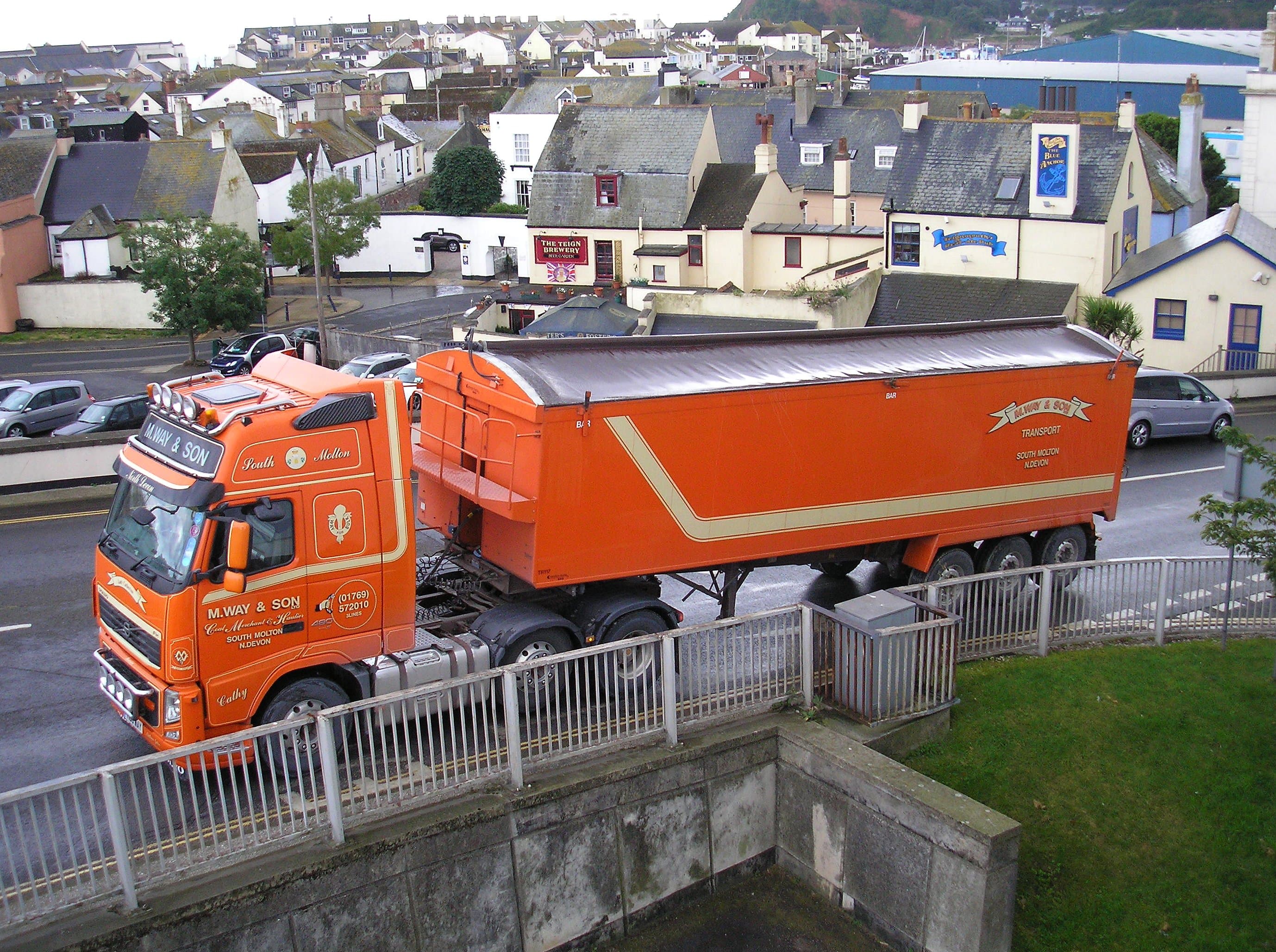
Commercial LTL freight networks deliver heavy automotive powertrains and structural components safely across all 50 states.
Direct Takeaway & Quick Answer
Nationwide shipping of heavy used auto parts like engines and transmissions relies on Less-Than-Truckload (LTL) freight logistics rather than standard parcel carriers. Components are fully drained of fluids, bolted or strapped to heavy-duty wooden pallets, wrapped in protective industrial film, and transported via commercial freight networks. Understanding commercial vs. residential delivery, liftgate requirements, and the essential 5-minute Bill of Lading inspection ensures a seamless, damage-free delivery experience.
- Heavy powertrain assemblies (300 to 800+ lbs) exceed standard 150-lb parcel limits and travel exclusively via commercial LTL freight carriers.
- Engines and transmissions undergo complete fluid evacuation, port capping, and high-tensile steel or polyester strapping to custom-braced wooden pallets.
- Commercial deliveries to auto repair shops with loading docks or forklifts avoid residential access and liftgate surcharges, saving transit time and expense.
- Residential delivery requires hydraulic liftgate service to lower the pallet to curbside street level, as freight drivers cannot enter private garages or homes.
- Recipients must perform a thorough visual inspection of pallet packaging and structural casings before signing the carrier’s Bill of Lading (BOL).
- Smaller components such as alternators, starters, steering racks, and control modules ship quickly via ground parcel networks (UPS/FedEx) in custom impact-resistant packaging.
Table of Contents
- 1.Freight Shipping for Heavy Auto Parts: Why Parcel Isn’t Enough
- 2.Less-Than-Truckload (LTL) Freight Explained
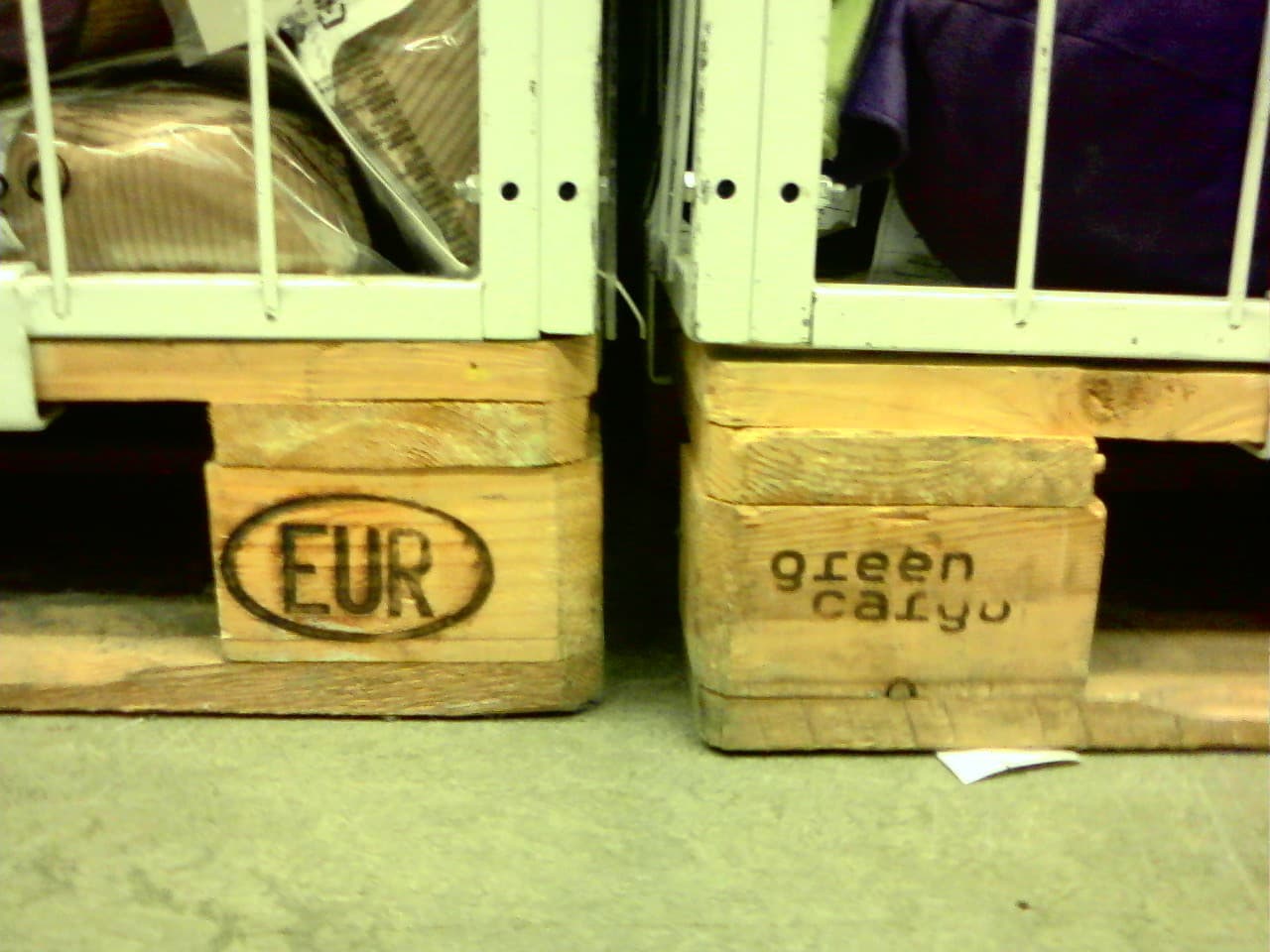
- 3.How Engines and Transmissions Are Palletized and Secured
- 4.Commercial vs. Residential Freight Delivery: What You Need to Know
- 5.Liftgate Service Demystified: When You Need It and What to Expect
- 6.Nationwide Delivery Timeframes and Tracking by Region
- 7.Receiving and Inspecting Freight Deliveries: Protecting Your Investment
- 8.Freight Insurance, Claims Resolution, and Small Parts Shipping
- #Frequently Asked Questions
Finding the exact replacement engine or transmission for your vehicle is only half the battle; getting a 500-pound mechanical assembly safely from a specialized automotive recycling facility to your local repair shop or driveway is the critical second half. Unlike common consumer goods that arrive in standard cardboard boxes via standard parcel vans, heavy automotive components demand specialized commercial freight infrastructure, strict hazardous material compliance, and rigorous packaging engineering.
Navigating freight logistics can feel intimidating for vehicle owners and independent repair shops unfamiliar with freight terminology. Concepts like Less-Than-Truckload (LTL) shipping, National Motor Freight Classification (NMFC) codes, hydraulic liftgate services, commercial loading dock requirements, and delivery receipts (Bills of Lading) introduce unique variables that directly impact delivery timelines and overall shipping costs.
At USA Used Auto Parts, our nationwide distribution network coordinates daily freight shipments across all lower 48 states and beyond. This comprehensive logistics guide pulls back the curtain on how heavy and small recycled auto parts are prepped, palletized, tracked, and delivered—empowering you with the knowledge to manage your delivery smoothly, protect your warranty rights, and avoid costly delivery delays.
Freight Shipping for Heavy Auto Parts: Why Parcel Isn’t Enough
Weight Restrictions, Packaging Architecture, and Hazardous Material Regulations
When ordering automotive replacement parts, the shipping method is dictated primarily by component physical mass, dimensions, and regulatory classifications. Standard parcel carriers such as UPS Ground and FedEx Ground enforce a strict maximum parcel weight limit of 150 pounds, along with rigorous dimensional girth restrictions. A complete V8 long-block engine can easily weigh between 450 and 700 pounds, while a heavy-duty truck transmission and torque converter assembly routinely weighs 200 to 350 pounds.
Beyond sheer weight, automotive powertrains feature irregular geometry, cast aluminum housings, delicate electronic solenoids, and protruding sensor ports. Shipping these components loose or inside conventional corrugated cartons would guarantee catastrophic impact damage during automated conveyor sorting at parcel hubs.
Furthermore, federal Department of Transportation (DOT) and Environmental Protection Agency (EPA) regulations govern the transport of mechanical components that previously contained petroleum hydrocarbons. Commercial freight carriers operate specialized closed-deck trailers equipped to transport palletized industrial equipment in full compliance with DOT hazmat safety guidelines once fluids are properly evacuated.
- Weight Ceilings: Standard parcel networks cap individual packages at 150 lbs; major automotive mechanical assemblies range from 200 to over 850 lbs.
- Structural Protection: Powertrains require rigid wooden pallet bases to prevent drop shock and structural twisting of cast iron and aluminum casings.
- Environmental Compliance: DOT regulations mandate certified fluid drainage and sealed port fittings to prevent petroleum fluid leakage during transit.
- Handling Equipment: Freight cargo is moved exclusively via motorized forklifts, pallet jacks, and hydraulic dock levelers rather than package conveyor belts.
DOT Hazardous Materials Fluid Compliance
All recycled engines, transmissions, and differentials must undergo thorough fluid evacuation prior to freight pickup. Residual oil or transmission fluid leakage inside a carrier trailer violates federal DOT freight safety rules and can result in carrier fines or shipment quarantine.
Less-Than-Truckload (LTL) Freight Explained
How Hub-and-Spoke Networks, Freight Classes, and Bills of Lading Operate
Less-Than-Truckload (LTL) shipping is the industrial backbone of automotive part distribution. In a Dedicated or Full Truckload (FTL) shipment, an entire 53-foot semi-trailer is hired by a single customer. Because an individual engine or transmission occupies only a small 40" x 48" footprint (a single pallet space), LTL logistics enables dozens of individual shippers to consolidate freight into one trailer, sharing transportation expenses and keeping nationwide shipping affordable.
LTL freight operates on a disciplined hub-and-spoke network. Your pallet is collected from our regional dismantling warehouse by a local pickup driver, transported to a regional consolidation terminal (cross-dock), transferred onto a long-haul line-haul semi-truck traveling between major metropolitan hubs, and finally unloaded at a destination terminal nearest your location for final delivery dispatch.
Every LTL shipment is governed by the Bill of Lading (BOL). The BOL functions simultaneously as a receipt of goods, a contract of carriage between the shipper and the freight carrier, and a legally binding document of title. It details the shipper address, consignee (recipient) address, piece count, National Motor Freight Classification (NMFC) code, and declared weight.
| Logistical Metric | Standard Ground Parcel (UPS / FedEx) | LTL Commercial Freight | Customer Advantage |
|---|---|---|---|
| Maximum Weight Limit | Up to 150 lbs per box | Up to 15,000 lbs (individual pallets 200–2,500 lbs) | Accommodates full engines, diesel blocks, and heavy transmissions |
| Cargo Platform | Corrugated cardboard cartons | Heavy-duty 48" x 40" wooden pallets or custom crates | Eliminates crushing and protects external engine accessories |
| Terminal Sorting | Automated high-speed conveyor belts and chutes | Manual forklift and pallet jack cross-docking | Significantly reduces transit shock and rough handling drops |
| Tracking Identifier | Standard parcel tracking barcode number | Progressive Rotating Order (PRO) tracking number | Real-time terminal visibility and dispatch scheduling |
| Delivery Locations | Front porch, doorstep, or parcel locker | Commercial loading dock, forklift bay, or residential curbside | Direct shipment to your trusted repair facility or mechanic |
Understanding Freight Classes and Density
LTL freight rates are calculated based on freight class (ranging from Class 50 to 500 under NMFC standards). Used automotive engines and transmissions typically fall into Class 70 or 85, reflecting high density and durable palletized stowability.
How Engines and Transmissions Are Palletized and Secured
The Engineering of Fluid Evacuation, Custom Cradling, Banding, and Weather Film
The key to zero freight transit damage lies in professional packaging engineering. At USA Used Auto Parts, every powertrain component undergoes a standardized packaging procedure before carrier pickup, ensuring that components arrive in the exact functional condition in which they left our testing facility.
An unsupported engine placed directly on flat boards will tip over during sudden highway deceleration or terminal handling. To eliminate movement, our packaging technicians construct custom wooden cradle blocks contoured to the engine oil pan profile or transmission bellhousing curvature. Heavy-duty tires or reinforced timber notched framing absorb road vibration while isolating delicate sheet metal pans from load-bearing contact.
Once cradled, high-tensile steel or heavy-gauge polyester (PET) strapping is mechanically tensioned and crimped around the assembly and through the pallet stringers. Delicate sensors, intake manifolds, throttle bodies, and wiring harnesses are shielded with corrugated buffer wraps, after which the entire assembly is sealed in multiple layers of heavy-duty 80-gauge stretch film to block moisture, highway road salt, and ambient dirt.
- 1Complete Fluid Evacuation: Engine motor oil, transmission automatic fluid, and engine coolant are vacuum-extracted. Drain plugs are torqued, and fluid ports (cooler lines, dipstick tubes, intake orifices) are capped with protective vinyl plugs.
- 2Pallet Quality Inspection: Technicians select an undamaged, heat-treated hardwood pallet conforming to 48" x 40" GMA standards, verified free of broken bottom deckboards or cracked stringers.
- 3Custom Cradle Mounting: The engine or transmission is seated onto fitted wooden support risers, custom bracing, or a heavy-duty tire cradle that supports the engine block casting rather than delicate sheet-metal oil pans.
- 4High-Tensile Mechanical Banding: Multiple high-strength polyester or steel straps are threaded through the pallet framework and tensioned using industrial ratcheting tools, locking the component rigidly to the pallet foundation.
- 5Protective Industrial Weather Wrapping: Critical electrical connectors and wire harnesses are secured. The entire pallet assembly is enclosed in multi-layered, tear-resistant industrial shrink wrap with corrugated corner protectors.
Installer Pro Tip: Keep Protective Caps Intact
When your pallet arrives, keep all protective intake, exhaust, and fluid port caps in place until the moment of final installation. This prevents accidental entry of dirt, metal filings, or loose hardware into internal oil galleries and combustion chambers during pre-installation preparation.
Commercial vs. Residential Freight Delivery: What You Need to Know
Loading Docks, Forklift Access, Municipal Zoning, and Carrier Surcharges
One of the most consequential decisions when ordering freight auto parts is selecting the delivery destination. Freight carriers maintain distinct operational definitions and pricing models for commercial versus residential addresses, and understanding these differences can save you both money and transit days.
A commercial delivery address is defined by freight carriers as a commercially zoned business facility with regular daytime operating hours (typically 8:00 AM to 5:00 PM), unhindered access for 53-foot tractor-trailers, and specialized unloading equipment such as an elevated loading dock or an industrial forklift. Delivering directly to your automotive repair shop, mechanic’s garage, or commercial workplace fulfills these criteria seamlessly.
Conversely, a residential delivery involves a private home, apartment complex, farm, or business operated out of a private residence. Freight carriers charge residential surcharges because full-size 53-foot semi-trucks cannot navigate narrow neighborhood streets, sharp cul-de-sacs, low-hanging tree branches, or residential overhead power lines. Shipments must be cross-docked onto smaller 26-foot straight trucks (box trucks) equipped with hydraulic liftgates.
- Commercial Destination Perks: Lower carrier freight tariffs, no appointment delays, automatic daytime drop-off, and direct handover to the mechanics installing your component.
- Residential Destination Requirements: Mandatory phone appointment scheduling, liftgate service fees, street-level curbside drop-off, and potential truck clearance restrictions.
- Terminal Pickup Alternative: If you own a pickup truck or utility trailer, you can choose "Hold for Pickup" at the freight carrier’s nearest regional service terminal, eliminating all residential fees while providing flexible pickup hours.
- Zoning Clarification: Operating a business out of a residential zone or home workshop does not qualify as commercial under freight carrier tariffs unless an industrial loading dock or forklift is present on a commercial thoroughfare.
Save Money by Shipping to Your Mechanic
We strongly recommend shipping major powertrain assemblies directly to the repair shop performing the installation. In addition to eliminating residential liftgate fees, your mechanic can immediately verify component match and begin installation without double handling.
Liftgate Service Demystified: When You Need It and What to Expect
Bridging the 50-Inch Elevation Gap Between the Trailer Bed and Ground Level
Standard commercial freight semi-trailers and straight trucks have deck floors positioned between 48 and 52 inches above the asphalt. At an industrial warehouse or freight terminal, backing up to an elevated concrete loading dock allows a pallet jack or forklift to roll straight into the truck bed. However, at a private residence or an auto repair shop without an exterior dock, lowering a 600-pound palletized engine to the pavement requires mechanical assistance.
A liftgate is an integrated hydraulic platform mounted beneath the rear bumper of the delivery vehicle. The delivery driver wheels the pallet jack carrying your part onto the steel platform and hydraulically lowers it down flush with the street surface. From there, the driver wheels the pallet to the curb or driveway apron.
Understanding driver delivery boundaries is crucial for a smooth delivery day. Freight tariffs strictly define freight delivery as "curbside delivery." Drivers are paid and insured to lower the pallet to the pavement and move it to the edge of the driveway or curb. They are strictly prohibited by insurance regulations from navigating pallet jacks across gravel, up steep inclines, over grass, or inside a customer’s private residential garage or workshop.
Safety Alert: Never Attempt Manual Offloading
Never attempt to manually unload a palletized engine or transmission from a standard freight truck without a liftgate or forklift. Engine assemblies weigh 400 to 700+ pounds; attempting to slide or drop an assembly from a 50-inch trailer deck creates severe risks of life-threatening injury and catastrophic component destruction.
Nationwide Delivery Timeframes and Tracking by Region
Zone-Based Transit Schedules, Line-Haul Relays, and PRO Number Monitoring
Because USA Used Auto Parts maintains partner recycling yards and computerized inventory hubs strategically positioned throughout the country, parts are sourced from the nearest certified facility to minimize transit times and freight costs. Nonetheless, commercial freight transit times vary based on regional mileage and terminal handling schedules.
Freight tracking differs distinctly from standard package tracking. Instead of a package tracking code scanned at neighborhood sorting bins, freight shipments are assigned a PRO (Progressive Rotating Order) number. This multi-digit tracking number links directly to the freight carrier’s dispatch system, showing line-haul trailer movements, arrival at intermediate cross-dock facilities, and out-for-delivery status.
For residential deliveries, the carrier’s destination terminal will contact you by telephone 24 to 48 hours prior to delivery to arrange a scheduled delivery window (typically a 4-hour morning or afternoon window). Deliveries cannot be completed without someone over 18 years old present to inspect and sign for the freight.
| Shipping Origin to Destination Zone | Average Transit Window | Terminal Transfers | Standard Carrier Type |
|---|---|---|---|
| Intra-Regional / Adjacent States (e.g. TX to OK, OH to MI) | 1 – 2 Business Days | Direct line-haul or single terminal transfer | Regional LTL freight carrier |
| Midwest to East Coast / Southeast (e.g. IL to PA, IN to GA) | 2 – 3 Business Days | 1 to 2 regional relay cross-docks | Inter-regional LTL freight network |
| Transcontinental / Coast-to-Coast (e.g. CA to NY, FL to WA) | 4 – 6 Business Days | 2 to 3 major hub cross-docks | National long-haul freight carrier |
| Rural, Mountain, or Remote Outlying Zip Codes | 5 – 7 Business Days | Multiple transfers + third-party interline carrier | Specialized regional final-mile carrier |
Ensure Phone Accessibility for Delivery Scheduling
When placing an order requiring residential freight delivery, always double-check that your contact phone number is accurate. Freight carriers will not dispatch a residential delivery truck from their local terminal until they have verbally confirmed the appointment window with you.
Receiving and Inspecting Freight Deliveries: Protecting Your Investment
The Critical 5-Minute Inspection Protocol Before Signing the Delivery Receipt
The moment your palletized auto part arrives at your repair facility or curb is the single most critical window in the shipping lifecycle. When the delivery driver presents the electronic tablet or paper Bill of Lading (BOL) for your signature, you are signing a legally binding federal document that certifies you have received the shipment in complete, undamaged condition.
Freight drivers often work under demanding schedules and may encourage you to sign quickly so they can depart. However, federal freight laws grant every consignee (recipient) the legal right to thoroughly inspect cargo before signing. Never let a driver rush you through this step. Taking just five minutes to follow our inspection protocol protects you from liability and ensures seamless warranty and insurance coverage.
Begin by inspecting the exterior packaging. Look for torn stretch wrap, crushed wooden deckboards, broken strapping bands, or forklift tine puncture marks. Next, inspect the mechanical component directly: check aluminum bellhousing ears, oil pan rails, valve covers, pulleys, sensors, and wire harnesses for cracks, impact fractures, or gouges. Finally, check the pallet deck for fresh oil or fluid pooling, which indicates an internal breach during rough transit.
- 1Verify Packaging Integrity: Inspect all shrink wrap, strapping bands, and wooden pallet base for visible punctures, splintering, or shifting off center.
- 2Inspect Structural Metal Housings: Peel back plastic film if necessary to examine aluminum bellhousing ears, oil pans, front timing covers, intake manifolds, and sensor plugs.
- 3Check for Fluid Pool Stains: Verify that no fresh lubricants or coolants have leaked onto the wooden pallet floor during transit.
- 4Record Exceptions in Writing on the BOL: If any flaw, crack, or damage is observed, write "DAMAGED - [SPECIFIC DESCRIPTION, e.g., BROKEN BELLHOUSING EAR]" on the delivery receipt before signing.
- 5Take Comprehensive High-Resolution Photos: Capture wide-angle photos of the pallet on the truck or curbside, followed by sharp close-ups of any damaged areas and the signed BOL copy.
The Golden Rule of Freight: Unnoted Damage Is Hard to Claim
If you sign the Bill of Lading "clean" (without writing down any damage exceptions), the freight carrier is legally cleared of transit liability. Always document any packaging tears or component damage directly on the driver's delivery receipt before signing.

Freight Insurance, Claims Resolution, and Small Parts Shipping
Carrier Liability vs. Full-Value Protection, and Expedited Ground Parcel Delivery
Under standard federal freight law (the Carmack Amendment), carrier base liability is limited to a minimal statutory rate per pound—often as low as $0.10 to $0.50 per pound for used machinery. To shield our customers from transit loss, USA Used Auto Parts provides comprehensive freight insurance coverage on all major powertrain assemblies, ensuring full purchase value protection throughout transit.
In the rare event that a component sustains physical damage during transport, our logistics support team handles carrier claims directly on your behalf. As long as the receiving inspection steps were followed and the damage was noted on the Bill of Lading with accompanying photos, our team quickly arranges an expedited replacement assembly or processes a full refund in accordance with our return and warranty policies.
For smaller recycled automotive components—such as alternators, starters, A/C compressors, steering racks, brake calipers, engine computers (ECUs), instrument clusters, mirrors, and window regulators—freight shipping is unnecessary. These items travel via standard express and ground parcel networks (UPS Ground, FedEx Ground) in heavy-duty, double-walled corrugated cartons with custom foam-in-place cushioning, anti-static electrostatic packaging for electronics, and end-to-end doorstep barcode tracking.
- Full-Value Protection: Powertrain shipments include comprehensive freight coverage against structural transit impact damage and complete loss.
- Hassle-Free Claims: Our dedicated shipping department manages freight carrier claims, spare parts sourcing, and return logistics on your behalf.
- Rapid Small Parts Fulfillment: Lighter components ship within 24 to 48 hours via standard ground parcel delivery, arriving in 1 to 4 business days.
- Specialized Electronics Packaging: Sensitive control modules (ECUs, TCMs, BCMs) are packed in anti-static ESD shielding bags surrounded by impact-resistant high-density foam.
Small Parts Packaging Engineering
Delicate electronics and mechanical accessories are protected with custom foam-in-place molds and anti-static moisture barriers, eliminating component vibration and environmental corrosion during parcel sorting and handling.
Frequently Asked Questions
How much does freight shipping cost for a used engine or transmission?
Freight shipping costs typically range between $150 and $350 depending on geographic transit distance, component weight, and delivery destination type. Shipping to a commercial auto shop with a loading dock or forklift is significantly cheaper than residential delivery with liftgate service.
USA Used Auto Parts frequently includes free freight quotes or flat-rate shipping promotions directly into parts pricing for seamless ordering.
What is the difference between commercial and residential freight delivery?
Commercial delivery goes to a recognized business in a commercial zone with regular operating hours, unrestricted access for 53-foot tractor-trailers, and a loading dock or forklift. Residential delivery goes to private residences, farms, or home-based businesses and requires smaller box trucks, scheduled delivery appointments, and hydraulic liftgate services.
Delivering directly to your mechanic or repair shop saves transit time and avoids residential liftgate fees.
What is a liftgate, and do I need one for my auto parts delivery?
A liftgate is a motorized hydraulic elevator mounted to the rear of a freight truck that lowers cargo from the 4-foot-high truck bed down to ground level curbside. You need liftgate service if your delivery location does not have an elevated loading dock or an industrial forklift capable of lifting 500+ pounds.
Freight drivers cannot manually lift or slide a heavy pallet off the truck bed without a liftgate platform.
How do I track my freight shipment once it leaves the warehouse?
When your freight shipment is dispatched, you receive an automated shipping confirmation email containing the carrier name and a Progressive Rotating Order (PRO) tracking number. You can enter this PRO number on the carrier’s tracking portal to view real-time terminal milestones, arrival dates, and dispatch status.
What should I do if my pallet or auto part arrives damaged?
Do not sign the Bill of Lading clean. Write a detailed description of the damage directly on the driver’s delivery receipt (e.g., "Damaged: Cracked Bellhousing Ear / Torn Wrap"), take multiple clear photos of the part and pallet, keep a copy of the signed receipt, and contact USA Used Auto Parts customer support immediately.
Documenting transit damage on the Bill of Lading ensures that insurance and warranty claims are approved without delay.
Can I pick up my freight order from the local shipping terminal to save money?
Yes. Most freight carriers offer "Terminal Hold for Pickup." If you have a pickup truck, utility trailer, or cargo van, you can collect the pallet directly from the freight carrier’s local distribution hub. The terminal staff will load the pallet into your vehicle with their forklift at no additional charge.
Ready to Ship Your Replacement Auto Part Nationwide?
Find top-quality tested used OEM engines, transmissions, and mechanical parts backed by our warranty and dependable nationwide freight delivery to your shop or driveway.
Relevant Parts Inventory
Search All Parts
PopularSearch our full nationwide inventory of tested used OEM engines, transmissions, and mechanical components.
Used Engines Inventory
Browse compression-tested used OEM engines palletized and shipped directly with freight warranty protection.
Used Transmissions Inventory
Explore verified automatic and manual transmissions complete with torque converters and nationwide delivery.
Contact Shipping Department
Speak with our freight logistics specialists for commercial delivery quotes, terminal pickups, and tracking support.
Related Automotive Guides
Used Engine Buying Guide: Mileage, Compression, Warranty and Fitment
Used Transmission Buying Guide: VIN, Transmission Code and Compatibility
What Is a Salvage Yard? How Used Auto Parts Are Sourced and Tested