How to Identify Genuine OEM Used Parts Online: Forensic Verification and Counterfeit Avoidance
A forensic guide to deciphering casting marks, engineering numbers, Tier-1 supplier stamps, and digital counterfeit markers.
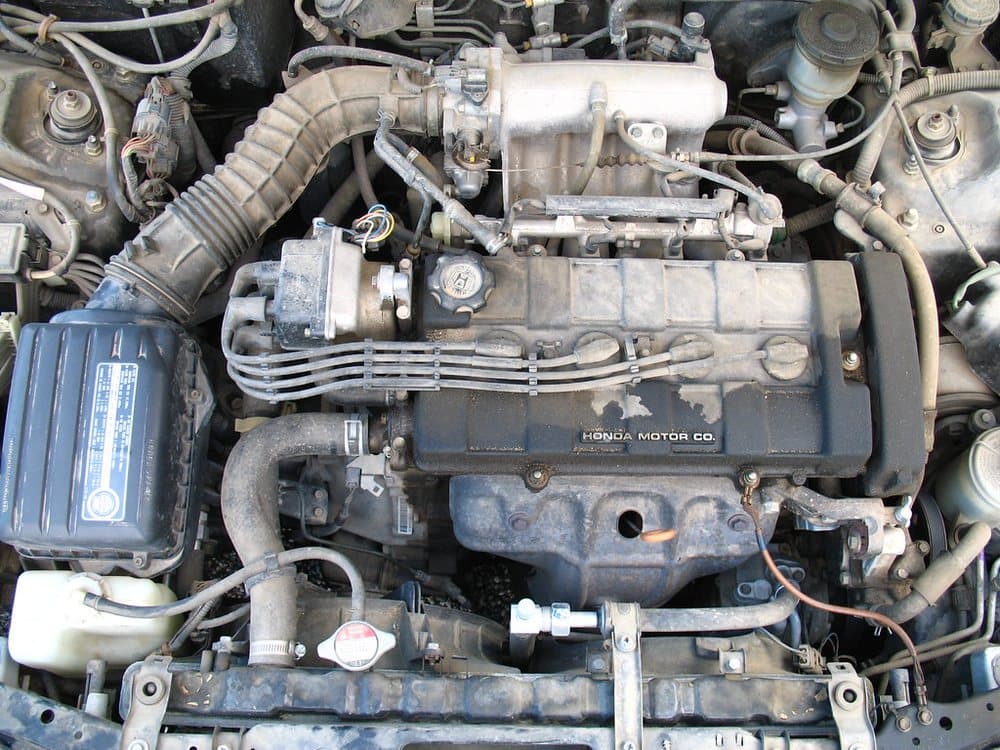
Authenticating genuine OEM parts requires examining permanent casting numbers, manufacturer logos, and precision CNC tooling marks.
Direct Takeaway & Quick Answer
Authenticating a genuine OEM used part online requires forensic visual verification across four physical indicators: identifying raised foundry casting numbers rather than stick-on labels; locating official automaker or Tier-1 supplier forging stamps (e.g. FoMoCo, GM, Mopar Pentastar, Denso, Bosch); inspecting precision CNC machining lines and mold date-clock dials; and verifying donor vehicle VIN provenance.
- In fiscal year 2024, U.S. Customs and Border Protection (CBP) and Homeland Security seized over 211,000 counterfeit automotive components in digital trade.
- Casting numbers (cast into molten metal at the foundry) differ from catalog part numbers; learning to cross-reference casting numbers confirms authentic core origins.
- Authentic OEM parts display permanent manufacturer trade marks (Audi 4-rings, Ford oval, GM stamp) and Tier-1 engineering supplier logos (Brembo, ZF, AISIN, Valeo).
- Counterfeit parts exhibit telltale flaws: rough mold flash lines, missing metallurgical date clocks, irregular fonts, low-density pot metal weight, and paper barcode stickers concealing unbranded metal.
Table of Contents
The automotive aftermarket is currently confronting an unprecedented counterfeit epidemic. According to data from the Automotive Anti-Counterfeiting Council (A2C2) and U.S. Customs and Border Protection (CBP), federal agents seized more than 211,000 dangerous counterfeit automotive parts in fiscal year 2024 alone.
While counterfeiters historically focused on luxury lifestyle goods, criminal syndicates now manufacture replica spark plugs with inferior copper cores that disintegrate inside combustion chambers, brake pads made from compressed sawdust and toxic lead scrap, and steering knuckles cast from brittle grey iron that snaps under pothole impact.
When shopping for used auto parts online, learning how to verify genuine OEM provenance is a critical safety and financial skill. Unlike third-party sellers peddling "new" components in unbranded boxes, legitimate recycled OEM parts carry indelible physical and metallurgical signatures etched into the metal at the factory. This guide provides a forensic methodology for verifying genuine OEM parts online.
Casting Numbers vs. Part Numbers vs. Engineering Numbers
Understanding the Three Numbering Systems Found on Factory Components
A frequent point of confusion occurs when a vehicle owner orders a genuine replacement part, examines the metal casting, and discovers that the stamped number does not match the 8-digit part number listed on their dealer invoice.
This discrepancy is completely normal once you understand how automotive manufacturing works. A single raw aluminum cylinder head casting may be machined into three different final part numbers depending on whether it receives standard or heavy-duty valve springs.
| Identifier Type | Physical Application Method | Permanent or Temporary? | Purpose in Manufacturing | Example Format |
|---|---|---|---|---|
| Casting Number | Raised 3D metal molded into molten iron/aluminum | Permanent (cannot be ground off without gouging) | Identifies the foundry mold, alloy blend, and raw casting design | GM #799, Ford #E7TE, Chrysler #53021 |
| Engineering Number | Laser-etched, stamped, or stenciled on bare metal | Permanent to semi-permanent | Tracks internal CAD revisions, supplier plant, and design revisions | F87B-10300-BA (Ford engineering code) |
| Catalog Part Number | Printed on dealership box labels and barcode tags | Temporary (packaging only; rarely cast into metal) | Used by parts departments to order, invoice, and warehouse items | GM #12674703, Toyota #04465-AZ001 |
Casting Number Cross-Referencing
Because casting numbers never lie, automotive recyclers cross-reference casting numbers to verify mechanical fitment. For example, GM LS-series cylinder heads with casting numbers #243 or #799 possess identical 64cc combustion chambers and D-shaped exhaust ports, allowing complete interchangeability.
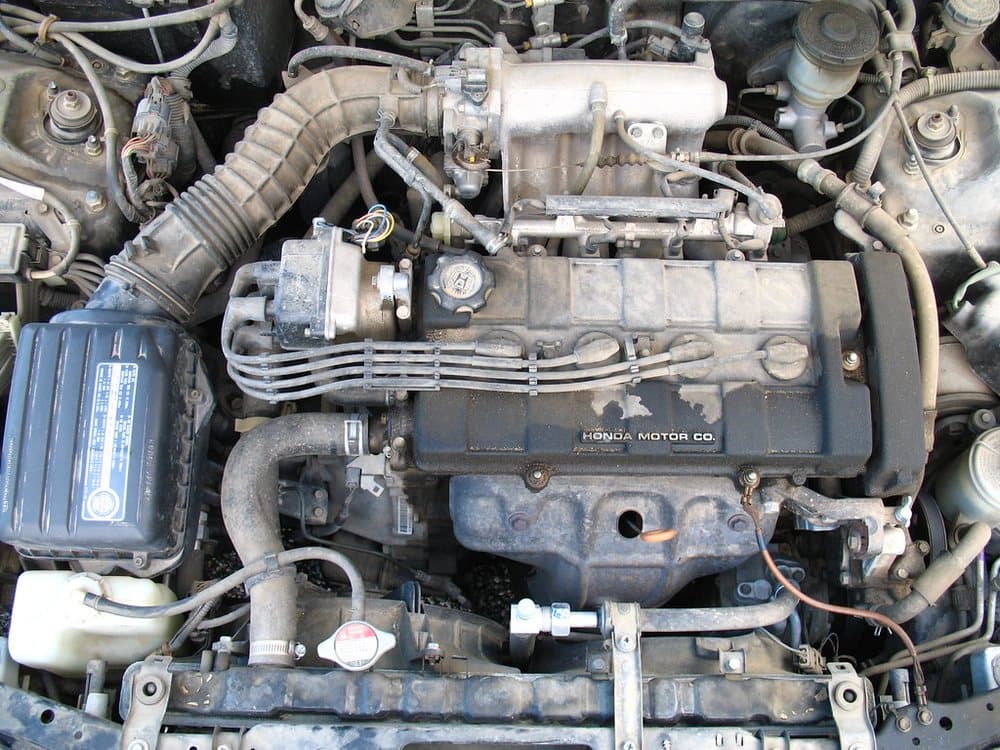
Forensic Examination of Manufacturer Stamps and Trademarks
Identifying Automaker Logos and Tier-1 Supplier Markings
Automakers fiercely protect their trademarks. While counterfeiters frequently print fake logos onto cardboard boxes, reproducing complex three-dimensional trademarks inside high-pressure casting dies is cost-prohibitive for low-grade counterfeit operations.
When inspecting photographs on an online parts listing, zoom in on the structural webbings and unmachined surfaces of the component.
- Ford Motor Company: Displays the classic scripted "FoMoCo" oval or uppercase "FORD" logo cast into brackets, cylinder heads, suspension arms, and stamped sheet metal panels.
- General Motors: Features the uppercase "GM" block stamping, often accompanied by the division trademark or ACDelco raised roundel on mechanical castings.
- Stellantis / Mopar: Displays the classic five-pointed Mopar Pentastar or stylized "M" logo stamped into sheet metal, intake manifolds, and electrical connectors.
- German Marques (VAG / BMW / Mercedes-Benz): Audi and Volkswagen components feature the four interlocking rings and VW roundel stamped side-by-side. BMW components display the circular roundel and 7-digit base part number. Mercedes-Benz components carry the three-pointed star inside a circle.
- Tier-1 Supplier Co-Branding: Authentic Japanese and European OEM parts frequently display the Tier-1 supplier logo next to the automaker logo: Denso or AISIN on Toyota/Lexus parts; Bosch, Continental, or Valeo on German/European parts; ZF or Magna on drivetrain transmissions and transfer cases.
Why Supplier Co-Branding Matters
If you purchase a used OEM alternator for a Honda and find the Denso logo crisply stamped into the aluminum housing alongside the Honda part number, you have verified authentic original equipment.
Physical Metallurgy, Tooling Marks, and Date Clocks
How Precision Manufacturing Exposes Low-Grade Replicas
Counterfeit and cheap aftermarket manufacturers cut production costs by skipping secondary CNC finishing and utilizing low-grade recycled alloys with high iron and zinc porosity.
Conducting a forensic physical inspection reveals stark manufacturing differences.
- Casting Date Clocks: Authentic aluminum castings (engine blocks, transmission cases, intake manifolds, timing covers) feature circular dials cast into the metal known as "date clocks." These dials feature a two-digit year in the center surrounded by 12 radial segments with raised dots representing the month of casting. Counterfeits almost always omit date clocks because updating mold inserts adds tooling expense.
- Tooling Path Marks vs. Sand Core Porosity: Authentic OEM machined surfaces (such as cylinder head deck surfaces or brake caliper mounting ears) display microscopic, perfectly uniform spiral machining grooves from diamond-tipped fly-cutters. Counterfeits display rough sand-cast grain, pits, air porosity holes, or uneven hand-grinding marks.
- Mold Flash Lines: Cheap replicas exhibit thick, ragged "flash lines"—excess metal squeezed between loose mold halves during pouring. OEM castings feature razor-thin, robotically trimmed parting lines.
- Weight and Alloy Density: Authentic OEM structural parts (such as aluminum suspension control arms) use forged aircraft-grade 6000-series or 7000-series aluminum alloys with high tensile strength. Counterfeits substitute heavy, brittle cast iron or porous low-grade zinc-aluminum alloys that weigh noticeably different.
Step-by-Step Online Listing Verification Protocol
What to Demand from an Online Auto Parts Seller Before Buying
A reputable automotive parts network has nothing to hide. Protect your purchase by following this four-step verification checklist before submitting payment.
- 1Demand Real Photos of the Actual Part: Never buy from listings displaying generic stock photography, manufacturer catalog line drawings, or generic white-box renders. Insist on photographs of the physical component sitting in the warehouse showing casting numbers, connector pins, and bracket ears.
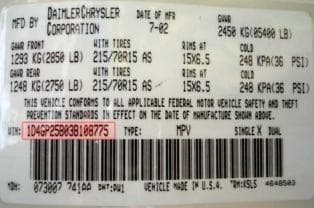
- 2Request Donor Vehicle Provenance: Ask the seller for the 17-digit VIN of the donor vehicle and its recorded odometer mileage upon intake. Reputable recyclers record this in their Hollander or Checkmate system and can provide the donor VIN immediately.
- 3Inspect Critical Wear Interfaces: On used engines, examine photos of the spark plug wells and oil filler cap (looking for clean amber oil vs black sludged deposits). On used transmissions, check photos of the torque converter hub and input shaft splines for smooth, unrounded teeth.
- 4Verify Secure Credit Card Payment: Ensure the checkout portal processes major credit cards with SSL encryption. Never send payment via peer-to-peer money apps (Zelle, CashApp, Venmo) or direct bank transfers, which offer zero buyer recourse if an unbranded or damaged part arrives.
The "Paper Label" Red Flag
Beware of online listings claiming to sell "New OEM" parts where the manufacturer's logo appears only on a paper barcode sticker affixed to an unbranded metal or plastic part. Genuine OEM parts feature the manufacturer's logo cast, stamped, or laser-etched directly into the physical material of the component itself.
Frequently Asked Questions
How can I tell if a used part is genuine OEM or aftermarket?
Check the physical part for permanent automaker logos (FoMoCo, GM, Mopar, Audi rings) or Tier-1 supplier marks (Denso, Bosch, Valeo, AISIN) cast or stamped directly into the metal. Look for raised foundry casting numbers and precision CNC machining marks.
Why does the casting number on my part differ from the part number on my invoice?
Casting numbers identify the raw metal casting poured at the foundry, while catalog part numbers identify the finished assembly sold in dealership boxes. A single raw casting may be machined into multiple catalog part numbers, making casting numbers normal and authentic.
What is an automotive "date clock" on an OEM part?
A date clock is a small circular dial cast into aluminum components or molded into plastic housings. It indicates the exact month and year the component was manufactured at the factory, providing proof of authentic OEM production.
Are counterfeit auto parts really dangerous?
Yes. Counterfeit parts (especially brake pads, spark plugs, suspension ball joints, and airbags) fail critical safety tests. Fake brake pads have separated at highway speeds, while counterfeit spark plugs have broken apart inside engines, causing catastrophic motor destruction.
Can a third-party seller fake OEM casting marks?
Faking three-dimensional casting marks inside molten metal requires million-dollar high-pressure foundry tooling, making it economically unfeasible for typical counterfeiters. Knockoffs usually rely on fake printed boxes or stick-on paper labels.
What information should I request from a seller before buying a used OEM part?
Request the donor vehicle's 17-digit VIN, verified odometer mileage, unedited photos of the actual part showing mounting brackets and casting marks, and written confirmation of warranty terms.
Does USA Used Auto Parts guarantee that parts are authentic OEM?
Yes. All components in our network are harvested directly from original production donor vehicles by licensed automotive recyclers, guaranteeing authentic factory engineering, metallurgy, and fitment.
Source Verified Genuine OEM Parts with Confidence
Protect your vehicle from dangerous counterfeits and ill-fitting aftermarket replicas. Browse our verified inventory of genuine recycled OEM parts backed by our 6-month warranty.
Relevant Parts Inventory
Genuine Recycled Engines
Certified OEMSearch verified used OEM engine assemblies with casting numbers and mileage verified.
Original OEM Transmissions
Authentic automatic and manual transmissions complete with factory torque converters.
Used Body Parts & Panels
Original factory doors, fenders, and hoods with authentic factory zinc galvanization.
Contact Technical Specialists
Need help verifying casting numbers or engineering codes? Consult our specialists.