Used Transmission Buying Guide: VIN, Transmission Code and Compatibility
A complete technical guide to identifying transmission types, decoding build codes, verifying gear ratios, and choosing reliable used transmissions.
Sourcing a reliable used transmission requires verifying VIN interchange, transmission codes, internal gear ratios, and bench-testing credentials.
Direct Takeaway & Quick Answer
Buying a reliable used transmission requires matching the vehicle identification number (VIN) and stamped transmission identification code, confirming exact internal gear ratios and electronics, selecting an optimal mileage tier from a verified donor, and following strict pre-installation procedures such as cooler line flushing and torque converter seating.
- Matching year, make, and model alone is insufficient; internal gear ratios, bellhousing patterns, and valve body electronics vary between engine trims and drive configurations (FWD, RWD, AWD).
- The donor vehicle VIN and transmission case stamp provide the definitive interchange codes required for 100% plug-and-play fitment without TCM reprogramming issues.
- Quality used transmissions fall into distinct mileage tiers: Low Mileage (under 60k), Mid Mileage (60k-110k), and High Mileage (110k+), each offering predictable service lives and value.
- Professional recyclers perform bench testing, electrical solenoid resistance checks, and oil pan magnet inspections to verify hydraulic and mechanical health before shipment.
- Crucial pre-installation protocols include replacing front pump and axle seals, backflushing the external oil cooler lines, and fully seating the torque converter into the front pump gear before bolting.
Table of Contents
- 1.Understanding Modern Transmission Types: Automatic, Manual, CVT, and DCT
- 2.How to Identify Your Exact Transmission by VIN and Transmission Code
- 3.Gear Counts, Final Drive Ratios, and Electronic Control Compatibility
- 4.Mileage Tiers and Physical Condition Assessment for Used Transmissions
- 5.Bench Testing, Fluid Analysis, and What Testing Actually Confirms
- 6.What is Included with a Used Transmission (and What Must Be Replaced)
- 7.Warranty Coverage, Fitment Verification, and Cross-Referencing
- 8.Freight Shipping, Receiving Inspection, and Installation Prep
- #Frequently Asked Questions
When a transmission fails, vehicle owners face a steep financial crossroads: paying $4,500 to $8,000 or more for a brand-new or dealership remanufactured unit, or saving 50% to 75% by sourcing a quality recycled OEM transmission. For most motorists, a tested, low-mileage original equipment manufacturer (OEM) transmission represents the smartest balance between structural integrity and budget preservation.
However, modern transmissions are far more than simple mechanical gearboxes. Contemporary automatic, continuously variable (CVT), and dual-clutch (DCT) systems are complex electromechanical assemblies integrated into CAN-bus communications networks, torque management systems, and computerized engine control modules (ECMs). Ordering the incorrect transmission variation can cause immediate fault codes, limp-mode lockouts, or catastrophic mechanical mismatch.
A single vehicle model within a single model year can carry three or four distinct transmission variants depending on engine displacement, drive axle setup (front-wheel drive, rear-wheel drive, or all-wheel drive), final drive differential ratios, and regional emissions calibrations. Sourcing a compatible unit requires a precise, systematic verification process.
This technical guide walks you through every phase of purchasing a used transmission. From decoding your VIN and locating case stampings to understanding bench testing results, warranty requirements, included components, and freight receiving inspections, this handbook equips you to buy with complete mechanical confidence.
Understanding Modern Transmission Types: Automatic, Manual, CVT, and DCT
Comparing Operating Principles, Durability, and Used Market Availability
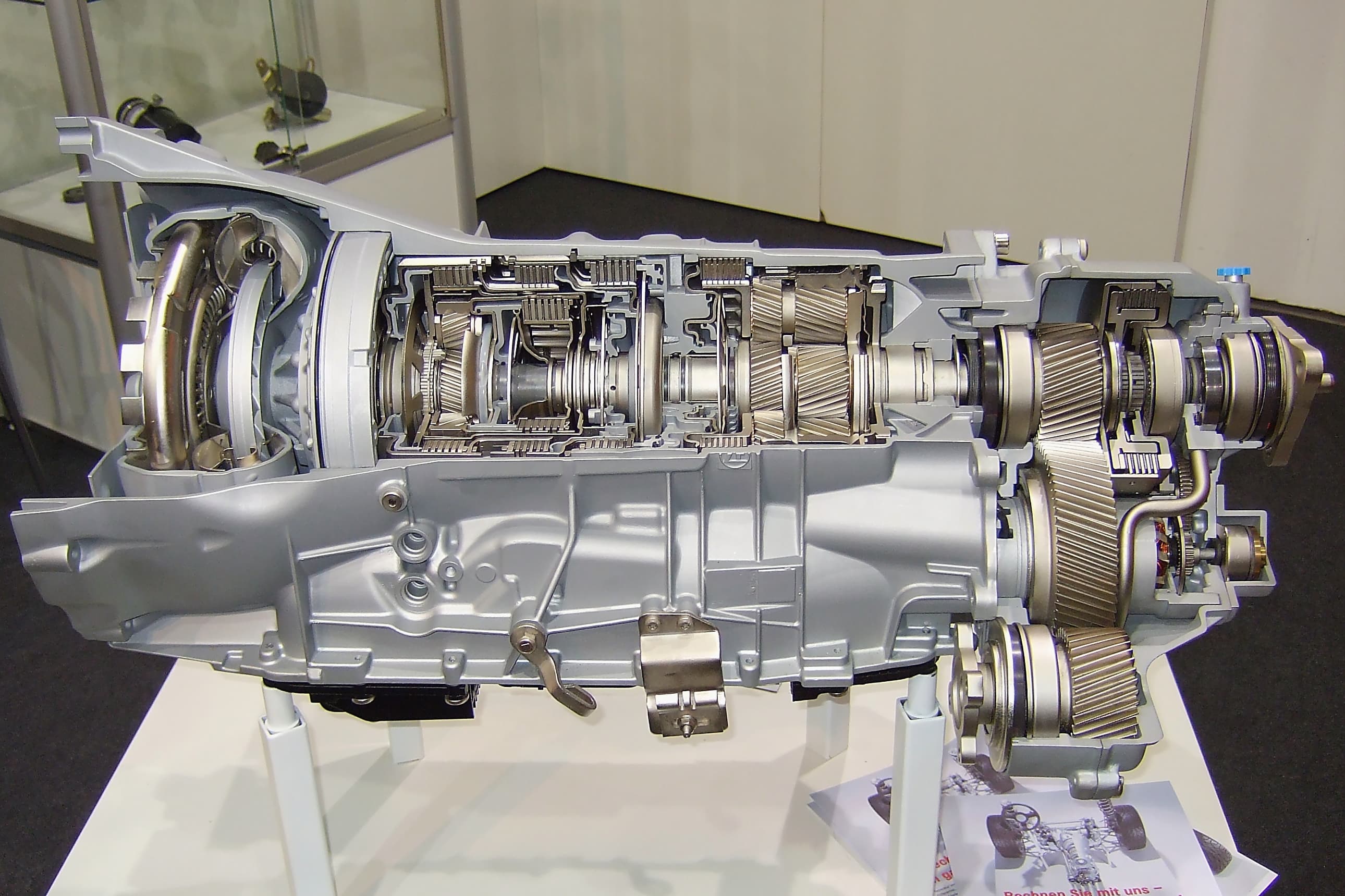
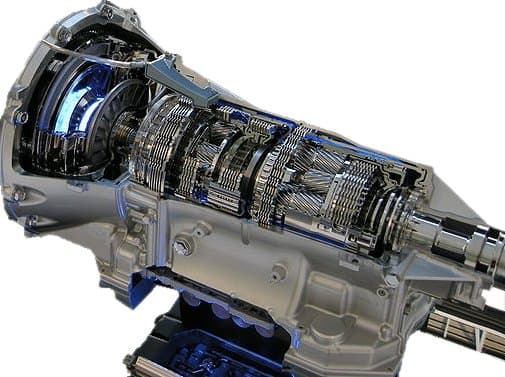
Before shopping the recycled marketplace, you must understand the mechanical operating principles of the transmission family in your vehicle. Traditional planetary automatic transmissions utilize a hydraulic torque converter to couple engine power to multi-clutch planetary gear sets. These units are controlled by sophisticated valve bodies equipped with electro-hydraulic pulse-width modulated (PWM) solenoids. Their heavy-duty construction makes them robust and widely available in recycling inventories, though long-term durability depends heavily on fluid service history.
Manual transmissions remain the most mechanically straightforward option, relying on driver-actuated dry clutches, helical gear sets, and bronze or carbon-composite synchronizer rings. When evaluating a used manual transmission, internal wear primarily concentrates on the synchronizer teeth, shift forks, and input shaft bearings. Because manual gearboxes contain no internal electronic solenoids or complex hydraulic circuits, physical bench evaluation is exceptionally straightforward.
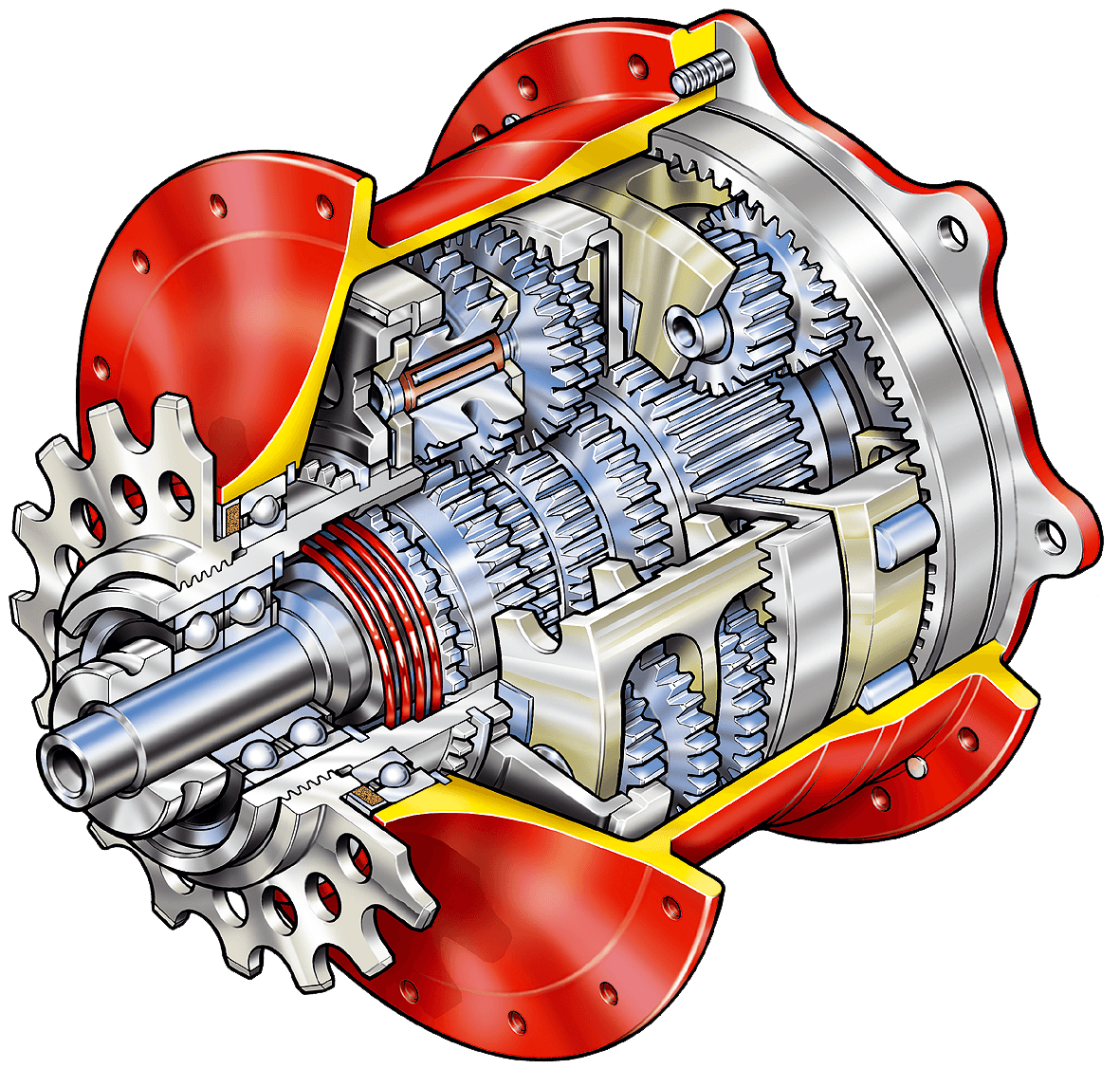
Continuously Variable Transmissions (CVTs) replace stepped gears with two variable-diameter conical pulleys connected by a high-tensile steel push-belt or chain. While CVTs offer seamless ratio progression and optimized fuel economy, they operate under immense internal hydraulic clamping pressure. As a result, used CVTs demand rigorous fluid inspection and lower mileage verification, as contaminated fluid causes micro-scuffing along the pulley sheaves. Dual-Clutch Transmissions (DCTs), by contrast, utilize twin electro-hydraulically operated clutch packs feeding alternating odd and even gear shafts. In the used market, DCT buyers must carefully inspect both the mechatronic control unit and mechanical clutch wear.
| Transmission Type | Core Operating Mechanism | Typical Used Lifespan | Primary Failure Modes | Key Inspection Priority |
|---|---|---|---|---|
| Torque Converter Automatic | Planetary gearsets, friction clutch packs & hydraulic torque converter | 150,000 - 250,000 miles | Clutch pack slippage, valve body bore wear, stuck PWM solenoids | Fluid color/odor, pan sediment, torque converter hub condition |
| Manual Gearbox | Helical gear sets, sliding sleeves, dog teeth & synchronizer rings | 200,000+ miles | Synchro cone wear, input bearing whine, rounded dog teeth | Input shaft endplay, smooth hand rotation in all gear gates |
| Continuously Variable (CVT) | Conical split-pulleys with high-strength steel belt or drive chain | 100,000 - 160,000 miles | Belt slippage, sheave surface scoring, hydraulic valve sticking | Donor maintenance logs, fluid sheen, absence of belt glitter |
| Dual-Clutch (DCT / DSG) | Twin concentric clutch packs feeding twin input shafts via mechatronics | 120,000 - 180,000 miles | Mechatronic solenoid failure, dry clutch glazing, actuator leaks | Mechatronic fault history, clutch pack thickness, fluid cleanliness |
CVT Sourcing Recommendation
When sourcing a replacement CVT, prioritize units with under 80,000 verified miles. CVTs are exceptionally sensitive to overheating and neglected fluid intervals. Inspecting the pan magnet for microscopic steel dust is essential before clearing a CVT for installation.
How to Identify Your Exact Transmission by VIN and Transmission Code
Decoding Build Tags, Door Jamb Placards, and Case Stampings
One of the most frequent mistakes made by DIY mechanics and independent repair facilities is ordering a transmission based solely on vehicle year, make, and model. Automakers frequently install different transmission models—or different internal ratio variations of the same base transmission—depending on engine displacement, trim package, towing capacity options, and whether the vehicle is equipped with two-wheel drive (2WD), all-wheel drive (AWD), or four-wheel drive (4WD).
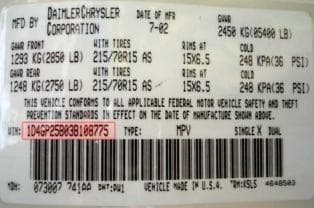
Your vehicle's 17-digit Vehicle Identification Number (VIN) is the primary key to decoding the factory build sheet. The 10th digit designates the exact model year, while the 4th through 8th digits define the vehicle descriptor section (VDS), which identifies body style, chassis platform, and engine family. Automotive recyclers utilize specialized interchange databases that cross-reference your VIN directly against manufacturer build records to determine the exact transmission model installed at the factory.
Beyond the VIN, every transmission carries a physical transmission identification code permanently stamped into the aluminum casing, engraved on a machined rail, or printed on an adhesive metallic barcode tag. This code reveals the engineering revision level, plant of manufacture, assembly date, and internal ratio calibration. Verifying this physical stamp against the donor transmission ensures 100% mechanical and electronic compatibility.
- 1Inspect the Federal Certification Label: Check the driver-side door jamb placard for the factory build sticker. Many domestic and import manufacturers list a transmission code under designations such as "TR", "TRANS", or "A/T".
- 2Locate the Outer Transmission Case Stamp: Clean off road grime from the transmission casing. Look for a stamped alphanumeric string on the bellhousing circumference, above the oil pan mating rail, or on a raised rectangular boss near the differential housing.
- 3Locate the Metal Tag or Barcode Placard: Many transmissions feature a riveted metal tag or an adhesive foil barcode label attached to the main case or top extension housing. Note both the model family and the specific multi-character calibration code.
- 4Cross-Reference the Donor Vehicle 17-Digit VIN: Provide your full VIN to your auto parts specialist. They will verify compatibility against the donor vehicle's VIN using professional interchange systems before pulling the unit from the warehouse.
The 2WD vs. 4WD Output Shaft Trap
Never assume a two-wheel drive transmission can be converted to four-wheel drive simply by unbolting the rear extension housing. In almost all modern transmissions, the 4WD output shaft is substantially shorter and features different spline counts than the 2WD tailshaft. Converting them requires a complete teardown of the entire internal gear train.

Gear Counts, Final Drive Ratios, and Electronic Control Compatibility
Why Internal Ratios and Valve Body Electronics Dictate Compatibility
Two transmissions can appear externally identical down to the bellhousing bolt holes, starter pocket, and electrical bulkheads, yet remain completely incompatible under the vehicle. Automakers routinely alter internal gear ratios across different vehicle models to match engine torque curves and target fuel economy ratings. For example, a transmission paired with a turbocharged 4-cylinder engine often uses different 1st and 2nd gear ratios than the identical transmission model bolted to a naturally aspirated V6.
In front-wheel-drive transaxles and integrated all-wheel-drive units, the final drive differential ring-and-pinion gear set is housed inside the transmission case. If you install a used unit with a 3.73 final drive ratio into a vehicle programmed for a 3.42 final drive, the Transmission Control Module (TCM) will immediately detect a discrepancy between the Turbine Speed Sensor (TSS) and the Output Speed Sensor (OSS). The vehicle computer will interpret this RPM difference as severe internal clutch slipping, illuminate the check engine light, and lock the transmission into fail-safe limp mode.
Electronic valve body architecture is equally critical. Throughout a transmission model's production run, manufacturers frequently update internal shift solenoid impedance (ohms ratings), pressure transducer protocols, and wire harness terminal pinouts. A unit from an early production year may feature a 5-pin bulkhead connector with on/off solenoids, whereas a late-production unit of the exact same vehicle generation may utilize a 7-pin connector with pulse-width modulated linear solenoids. Proper cross-referencing ensures internal electronic harmony.
- Transmission Control Module (TCM) Communication: Modern transmissions communicate continuously with the ECM via CAN-bus high-speed data lines. Sensor protocol mismatches trigger permanent diagnostic trouble codes (DTCs).
- Speed Sensor Tooth Counts: Reluctor rings inside the transmission case may have different tooth counts across model years, causing erratic speedometer readings and erratic shift timing if mismatched.
- Torque Converter Stall Speeds: Matching engine displacement ensures the supplied torque converter provides the correct stall speed for smooth off-the-line acceleration without engine bogging.
- Internal vs. External TCM Location: Some modern transmissions feature internal Mechatronic or Lead Frame control modules submerged in fluid, which may require dealer-level security authorization or VIN re-flashing upon installation.
Mechatronic Module VIN Locking
Certain contemporary transmissions incorporate an internal transmission control unit that is digitally married to the donor vehicle's chassis immobilizer. In these applications, your installer must either clone your original module's software or swap your original tested valve body and TCM into the replacement transmission.
Mileage Tiers and Physical Condition Assessment for Used Transmissions
Evaluating Wear, Expected Service Life, and Inspection Checkpoints
A used transmission's remaining service life is fundamentally linked to the mileage logged by the donor vehicle and the maintenance habits of its previous owner. Reputable automotive recyclers verify donor vehicle odometers using digital cluster readouts, vehicle history databases, and title documentation before classifying an assembly into inventory.
Low-mileage units (under 60,000 miles) typically originate from late-model collision vehicles. These units retain virtually all of their original factory clutch friction material, have minimal thermal discoloration on steel separator plates, and feature pristine valve body bores free of hydraulic wear. Mid-mileage transmissions (60,000 to 110,000 miles) represent the sweet spot for vehicle owners seeking significant cost savings while still obtaining 50,000 to 100,000+ miles of dependable daily driving service.
High-mileage transmissions (exceeding 110,000 miles) should be evaluated with heightened scrutiny. While modern transmissions are capable of exceeding 200,000 miles with regular fluid flushes, clutch friction material naturally thins over time, and internal rubber lip seals become brittle from heat cycles. When considering a higher-mileage core, dropping the fluid pan to inspect the accumulation on the bottom collector magnets is an indispensable diagnostic step.
| Mileage Bracket | Typical Price Savings vs. New | Expected Service Life | Primary Recycler Verification | Best Vehicle Application |
|---|---|---|---|---|
| Low Mileage (< 60,000 mi) | 45% - 60% | 100,000+ miles / 7-10 years | Full run-test, pristine fluid check, minimal pan dust | Late-model daily drivers, fleet vehicles, long-term ownership |
| Mid Mileage (60,000 - 110,000 mi) | 60% - 75% | 60,000 - 90,000 miles / 4-7 years | Bench cycle test, solenoid ohm meter check, shaft endplay | Vehicles aged 7-12 years, budget-conscious commuter repairs |
| High Mileage (110,000+ mi) | 75% - 85% | 30,000 - 50,000 miles / 2-4 years | Pan drop debris inspection, manual rotation, leak inspection | Older secondary vehicles, tight budgets, short-term driving needs |
Collision Angle Analysis
When reviewing donor vehicle salvage records, rear-end and side-impact collisions are ideal donors because the drivetrain suffers zero physical stress. For front-end collision donors, inspect the bellhousing ears and transmission case webbings for hairline stress cracks caused by impact forces.
Bench Testing, Fluid Analysis, and What Testing Actually Confirms
Differentiating Between Run-Tested, Dyno-Tested, and Bench-Inspected Units
Not all testing methodologies in the automotive recycling industry are created equal. Understanding the terminology used by auto recyclers helps you evaluate the mechanical assurance behind a used transmission listing. The gold standard of evaluation is on-vehicle run-testing, where the donor vehicle's engine is operated prior to dismantling, allowing technicians to engage Reverse, Drive, and individual forward gear selections while monitoring scan tool shift commands and fluid pressures.
When donor vehicles cannot be driven due to body damage, professional recyclers perform structured off-vehicle bench testing. This protocol begins by draining the remaining fluid through a fine-mesh filter to inspect for telltale signs of failure: burnt acrid odor, darkened black fluid, or brass and aluminum flakes indicating failing thrust washers or planetary gears. Normal wear appears as a fine, paste-like grey silt on the pan magnet, whereas gritty, sharp metallic particles signal internal destruction.
Specialized test benches allow technicians to drive the transmission input shaft with an electric motor while connecting hydraulic pressure gauges to the main line pressure test ports. This test confirms that the internal front oil pump generates sufficient fluid pressure to charge the hydraulic circuits. Additionally, technicians use digital multimeters to measure the internal coil resistance of each shift solenoid and pressure control valve, ensuring they fall within OEM ohm specifications.
- Pump Line Pressure Verification: Confirms the front pump produces specified hydraulic pressure (typically 60 to 200+ PSI depending on gear command) to prevent clutch slipping.
- Shift Solenoid Continuity Testing: Verifies the electrical integrity of the internal shift solenoids, ensuring no open circuits or internal coil shorts exist.
- Shaft Endplay and Smooth Rotation: Turning the input and output shafts by hand confirms bearings rotate freely without binding, roughness, or excessive axial play.
- Case Integrity and Seal Surfaces: Comprehensive visual inspection checks for cracked bellhousing ears, stripped oil cooler threads, and gouged axle seal bores.
The Mandatory Cooler Line Flush
Bench testing confirms the replacement transmission is mechanically sound, but installing it into a vehicle with contaminated cooler lines will destroy it within 100 miles. Always perform a high-pressure solvent flush through the radiator cooler and auxiliary transmission lines before bolting in the replacement.
What is Included with a Used Transmission (and What Must Be Replaced)
Torque Converters, Sensors, Wire Harnesses, and Pre-Installation Maintenance
Knowing exactly what arrives on the delivery pallet prevents frustrating surprises in the service bay. A complete recycled automatic transmission assembly includes the main aluminum transmission housing, internal planetary gear assemblies, clutch drums, valve body, internal solenoids, oil pan, and the original matched torque converter. In manual transmissions, the assembly includes the main gearbox and bellhousing, while the flywheel and clutch disc must be purchased separately.
Automotive recyclers leave the torque converter seated inside the bellhousing during transit for a vital engineering reason: the torque converter hub keeps the front oil pump gears protected and prevents debris from entering the pump cavity. Reputable suppliers install a steel retention bracket across the bellhousing face to keep the heavy converter firmly locked onto the input shaft splines throughout shipping.
While used transmissions arrive largely assembled, successful longevity requires replacing standard wear items before installation. Rubber lip seals and paper pan gaskets that have experienced heat cycles should never be re-used. Installing new front pump seals, rear output tailshaft seals, axle shaft seals, and a fresh internal filter element takes minimal time while the unit is on the floor, preventing costly fluid leaks once installed.
- Included Standard: Complete transmission casing, internal gear train, valve body, internal shift solenoids, oil pan, and original torque converter (for automatics).
- Included as "Leave-On" Accessories: Input and output vehicle speed sensors (TSS/OSS), neutral safety switch/inhibitor switch, and dipstick tube (if equipped). These are not covered under base mechanical warranty and may be swapped with your originals if necessary.
- Mandatory Replacements Before Installation: Front pump input shaft seal, rear tailshaft or axle output shaft seals, internal transmission filter kit, and pan gasket.
- Mandatory Fresh Fluids: 100% brand-new, vehicle-specified automatic transmission fluid (e.g., Dexron VI, Mercon LV, Honda ATF-DW1, Toyota WS). Never re-use drained fluid.
Crucial: Torque Converter 3-Step Seating Rule
Before bolting the transmission to the engine block, verify that the torque converter is fully seated into the front pump. You must push and rotate the converter until it drops through three distinct engagements (input shaft splines, stator support splines, and front pump drive tangs). If the converter is not fully seated, tightening the bellhousing bolts will crack the front pump housing instantly.
Warranty Coverage, Fitment Verification, and Cross-Referencing
Protecting Your Investment with Documented Warranties and Interchange Data
A comprehensive written warranty is your most important safeguard when purchasing recycled drivetrain components. Standard warranties in the automotive recycling industry range from 90 days to 6 months, with optional extended warranties extending coverage up to 1 to 3 years. These warranties cover internal mechanical failure—including slipping clutch packs, cracked internal drums, worn planetary gears, and defective hydraulic pumps.
However, warranty policies universally require compliance with proper installation procedures. Because transmission health is intimately connected to vehicle cooling and electronic systems, warranty terms typically require proof of a complete transmission cooler backflush, installation of a new transmission filter, and the use of approved fresh fluids. Keeping itemized receipts for these items is essential should a warranty claim ever arise.
Another significant advantage of sourcing through professional recycling networks is access to computerized interchange systems (such as the Hollander Interchange). These databases track exact engineering supersessions. For example, if a 2017 model experienced a mid-year transmission solenoid update, the interchange database indicates whether a 2019 unit can be substituted directly or if specific sensor brackets must be transferred. This cross-referencing expands your parts search across a wider vehicle pool without risking mechanical mismatch.
- 1Obtain Complete Donor Documentation: Ensure your purchase invoice clearly itemizes the donor vehicle VIN, recorded mileage, and the transmission identification code.
- 2Save Receipts for Maintenance Materials: Keep dated receipts for your transmission cooler flush chemical kit, new transmission filter, and manufacturer-specified fluid bottles.
- 3Verify Electrical Bulkheads Before Torquing: Prior to lifting the transmission into place, plug your vehicle harness into the transmission bulkhead to verify pin counts, connector locking tabs, and wire orientation.
- 4Execute the Exact Fluid Fill Procedure: Follow factory service procedures for filling fluid. For vehicles without a dipstick, ensure fluid temperature is monitored with an OBD-II scanner to verify level at the designated overflow plug.
Dipstick-Less Fluid Level Verification
Modern sealed transmissions do not feature a traditional under-hood dipstick. They must be filled via an underbody fill plug and leveled at a specific fluid temperature (typically between 95°F and 113°F) using a scan tool. Overfilling or underfilling by as little as half a quart can cause foaming, overheating, and erratic gear shifting.
Freight Shipping, Receiving Inspection, and Installation Prep
Managing LTL Freight Delivery, Palletized Crating, and Transit Inspection
Due to their substantial weight and bulky dimensions, automotive transmissions cannot be transported via standard parcel carriers. Instead, they ship via Less-Than-Truckload (LTL) commercial freight carriers. Transmissions are secured to heavy wooden pallets using high-tensile steel or heavy plastic strapping, cradled with protective dunnage, and sealed in heavy industrial stretch wrap to protect sensitive electrical connectors and machined mating surfaces.
Under federal Department of Transportation (DOT) and environmental regulations, all recycled transmissions are drained of automotive transmission fluid prior to transport. While a small residual coating of fluid remains inside the torque converter and valve body galleries to prevent internal corrosion, the transmission pan will be dry upon arrival. Attempting to start or run an installed transmission without filling it to the proper specification will cause immediate, irreversible clutch destruction.
When your freight delivery arrives—whether at a commercial repair shop loading dock or via a liftgate-equipped delivery truck at a residential address—you must conduct a thorough visual inspection before signing the carrier's Bill of Lading (BOL). Once the bill is signed without exception, the freight carrier is released from transit damage liability, making immediate receiving inspection critical.
- Inspect External Packaging: Check the wooden pallet and shrink wrap for signs of forklift blade penetration, dropped freight impact, or tipping.
- Examine Bellhousing and Starter Pockets: Inspect the perimeter of the aluminum bellhousing and starter mounting ears for hairline fractures or impact cracks.
- Verify Torque Converter Retention: Ensure the metal converter transport bracket is intact and the torque converter has not slid forward off the input shaft.
- Check the Sheet Metal Oil Pan: Inspect the bottom transmission pan for deep dents or punctures that could crush the internal fluid pickup tube.
- Document on Delivery Receipt: If any exterior casing damage or bent brackets are observed, clearly write "DAMAGED UPON ARRIVAL" on the carrier's delivery receipt before signing.
Transmissions Ship Completely Dry
Every recycled transmission arrives drained of fluid. You must add the manufacturer's recommended fluid capacity before starting the vehicle. Running a transmission dry even for 30 seconds will burn the internal clutch friction discs and void all warranty coverage.
Frequently Asked Questions
How do I know if my transmission problem requires a full replacement or just a valve body repair?
If your transmission fluid smells heavily burnt, contains dark metallic sediment or glitter, or the transmission slips completely in multiple forward gears, internal mechanical clutch failure has occurred, requiring full replacement. If fluid is clean and red, and issues are limited to harsh shifting or specific electronic fault codes, a standalone solenoid or valve body replacement may resolve the issue.
A professional pan-drop inspection quickly reveals the truth: heavy friction clutch sludge or metal shavings confirm internal destruction.
Is it better to buy a used OEM transmission or have my original transmission rebuilt?
A low-mileage used OEM transmission offers original factory assembly line tolerances, genuine OEM components, and significant cost savings (typically 50% to 70% less than a rebuild). Rebuilding can be viable if local rebuilders are reputable, but quality varies greatly depending on the technician's skill and the quality of aftermarket rebuild kits.
Recycled OEM transmissions preserve original manufacturer engineering integrity without the risk of assembly-bench contamination.
Does a used automatic transmission come with the torque converter?
Yes, complete recycled automatic transmissions include the matching original factory torque converter. Recyclers ship the converter installed on the input shaft with a retention bracket to protect the front pump drive tangs and input shaft seals during transport.
Always confirm the converter is fully seated into the front pump gears before tightening engine-to-transmission bellhousing bolts.
Why is transmission cooler flushing required when installing a used transmission?
When a previous transmission fails, friction clutch material, shredded metal shavings, and burnt fluid circulate directly into the radiator cooler and external lines. If these lines are not backflushed with pressurized solvent, trapped contaminants will enter the replacement transmission, destroying valve body solenoids and clutch packs within days.
Most auto recyclers require documented proof of a cooler line flush to keep warranty coverage fully valid.
Can I install a transmission from an all-wheel-drive (AWD) vehicle into a front-wheel-drive (FWD) vehicle?
Generally, no. AWD transmissions feature specialized output provisions—such as an integrated Power Takeoff Unit (PTU) or center differential—and possess completely different output shaft lengths, casing castings, and electronic calibrations than their FWD counterparts.
Always match your vehicle's exact drive configuration using donor VIN verification before placing an order.
How long does a quality used transmission typically last after installation?
A low-to-mid mileage used OEM transmission (under 80,000 miles) that has passed bench testing and is installed with fresh fluid, new filters, and flushed lines can easily provide 80,000 to 120,000+ additional miles of dependable service with regular scheduled maintenance.
Regular fluid changes every 30,000 to 45,000 miles protect internal clutch packs and hydraulic valve bodies from premature degradation.
Find the Right Used Transmission for Your Vehicle
Search verified used transmissions by year, make, model, and transmission code. Backed by comprehensive warranties and nationwide shipping.
Relevant Parts Inventory
Used Transmissions Inventory
Certified DrivetrainSearch verified recycled automatic, manual, and CVT transmissions backed by warranty.
Used Engines Inventory
OEM PowertrainsFind matching low-mileage gasoline and diesel engines with verified compression.
Comprehensive Auto Parts Catalog
Search thousands of recycled OEM auto parts across nationwide recycling inventories.
Speak to a Transmission Specialist
Get expert assistance verifying VIN fitment, transmission codes, and availability.