Hybrid vs. Electric vs. Normal Engine: Which Vehicle Powertrain Is Right for You?
An objective analysis of operating costs, mechanical complexity, maintenance overhead, and replacement parts availability.
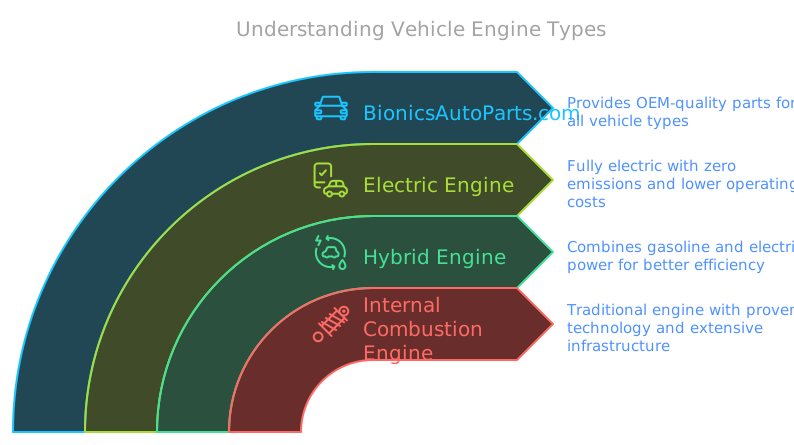
Comparing traditional internal combustion, hybrid electric, and battery electric vehicle architectures.
Direct Takeaway & Quick Answer
Choosing between traditional internal combustion engines (ICE), hybrids, and electric vehicles (EVs) involves balancing initial purchase price, driving patterns, and long-term repair complexity. Recycled OEM parts are available across all three powertrains, from gas engines to hybrid battery modules.
- Internal combustion engines offer proven reliability, lowest initial purchase cost, and widespread parts availability.
- Hybrids maximize fuel efficiency and city driving economy with regenerative braking, though they combine both gas and high-voltage systems.
- Electric vehicles eliminate fluid changes and spark plugs, but require specialized high-voltage components and battery monitoring.
The modern automotive landscape offers unprecedented diversity in propulsion technology. Consumers are no longer limited to gasoline or diesel engines; hybrid, plug-in hybrid (PHEV), and battery electric vehicles (BEVs) now compete across every market segment.
Understanding the engineering, maintenance requirements, and replacement parts availability for each powertrain ensures you make an informed investment.
Comparing ICE, Hybrid, and Battery Electric Architectures
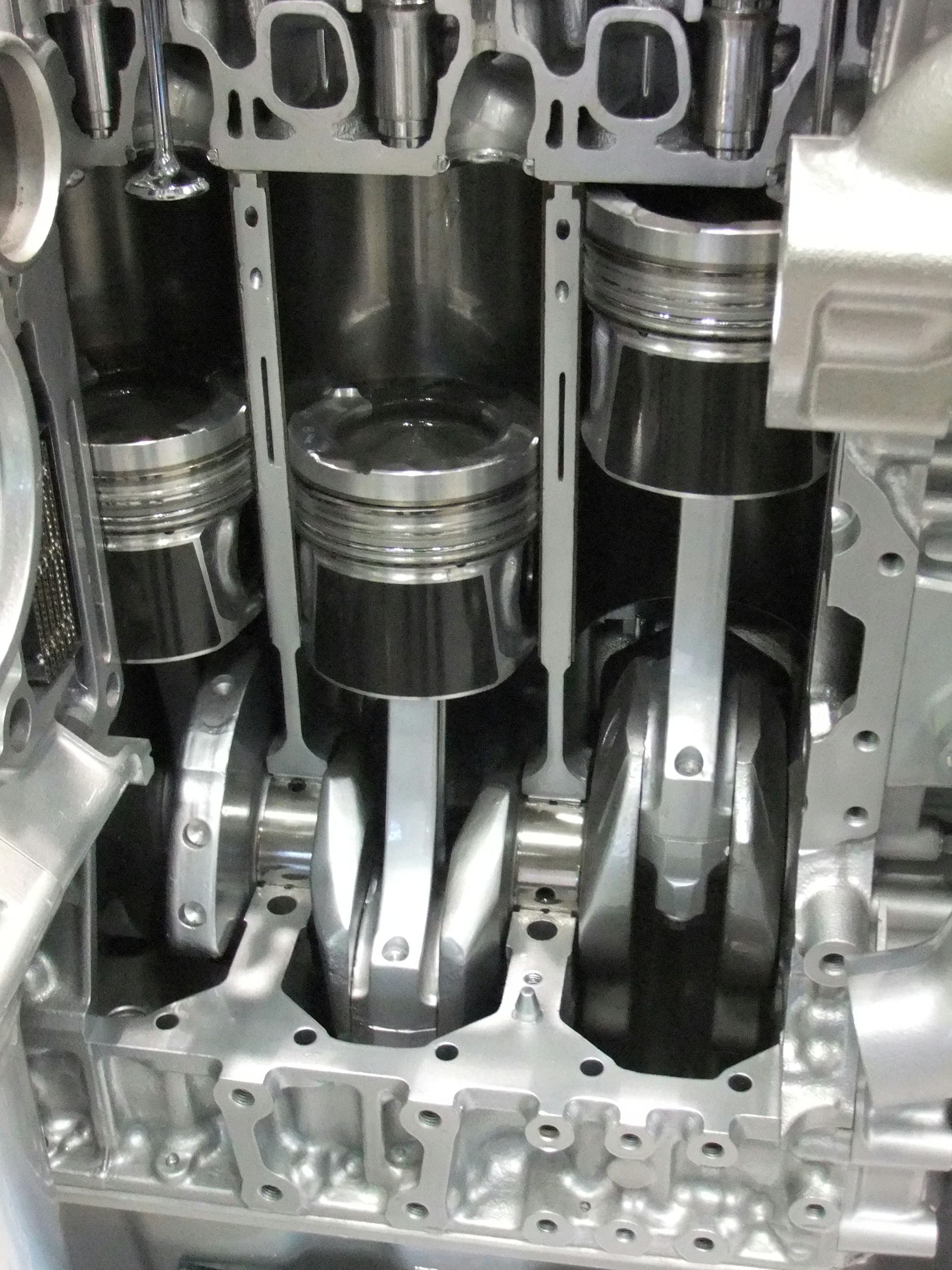
Traditional internal combustion engines rely on mechanical thermodynamic cycles, requiring routine lubrication, cooling, and exhaust maintenance. Hybrids add electric motor-generators and traction batteries to recapture kinetic braking energy.
Electric vehicles utilize high-voltage lithium-ion battery packs and permanent magnet synchronous motors, dramatically reducing moving parts while introducing high-voltage electronic control assemblies.
- ICE Engines: Highest refueling convenience, established nationwide independent repair network, wide availability of affordable recycled engines and transmissions.
- Hybrid Powertrains: Reduced brake wear via regenerative braking, 40-50+ MPG fuel efficiency, availability of recycled OEM inverter/converter units and tested battery packs.
- Electric Motors: Instant torque delivery, smooth acoustic cabin environment, lower scheduled maintenance overhead, requiring specialized salvage handling for high-voltage drive units.
Frequently Asked Questions
Are used parts available for hybrid and electric vehicles?
Yes. Professional automotive recyclers dismantle hybrid and EV models, offering tested traction battery modules, electric drive motors, inverters, and regenerative braking components.
Which engine type has the lowest long-term maintenance cost?
Electric vehicles have fewer moving parts and eliminate oil changes, but battery replacements can be costly. Traditional ICE vehicles have higher routine maintenance costs, but parts and repair labor are universally accessible and affordable.
Need Powertrain Replacement Parts?
Whether you drive an internal combustion vehicle, hybrid, or EV, search our verified nationwide inventory of tested OEM components backed by our 6-month warranty.